
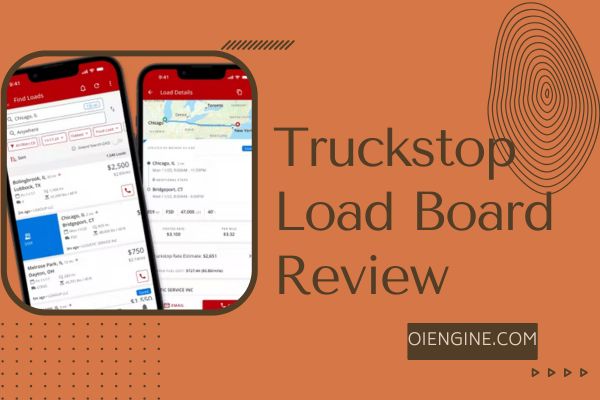
Let’s address the elephant in the room: Truckstop has a 2.4/5 rating on Trustpilot from 911 reviews. That’s concerning for anyone considering this load board. But here’s what most reviews miss – the platform still moves millions in freight daily and remains a market leader.
After analyzing hundreds of user experiences and comparing every feature, I’ll give you the straight answer: Truckstop works well for established carriers who value instant booking and comprehensive broker data, but struggles with customer service and billing practices. The $45-175/month investment can pay off, but only if you navigate its quirks.
This review cuts through marketing fluff to deliver real insights from actual users. You’ll discover exactly which features justify the cost, common pitfalls to avoid, and whether Truckstop or competitors like DAT better serve your needs.
Table of Contents
- What is Truckstop Load Board?
- Truckstop Pricing Plans & Cost Analysis 2026
- Key Features That Matter Most
- The Truth About User Reviews: Breaking Down the 2.4/5 Rating
- Truckstop vs DAT Load Board: Head-to-Head Comparison
- Setting Up Your Truckstop Account: Step-by-Step Guide
- Maximizing ROI with Truckstop Load Board
- Common Problems and Solutions
- Alternative Load Boards to Consider
- Pro Tips from Experienced Users
- Is Truckstop Load Board Worth It in 2026?
- Frequently Asked Questions
- Conclusion
What is Truckstop Load Board?
Truckstop pioneered the digital freight matching industry as the first online load board. Today, it connects over 130,000 carriers with brokers and shippers through a comprehensive marketplace. The platform has evolved from simple load posting to an integrated freight management ecosystem.
History and Market Position
Founded in 1995 as Internet Truckstop, the company transformed how truckers find loads. Before Truckstop, drivers relied on physical bulletin boards at truck stops or phone-based services. The digital shift revolutionized freight matching efficiency.
The platform now processes billions in annual freight transactions. Despite mixed reviews, Truckstop maintains its position among the top three load boards nationally. This market dominance stems from early adoption advantages and continuous feature development.
Who Uses Truckstop?
The platform serves three primary user groups with tailored solutions. Owner-operators use it to keep their trucks moving and minimize deadhead miles. Small to mid-sized fleets leverage advanced features for route optimization and multi-truck management.
Freight brokers and 3PLs utilize Truckstop to post loads and find reliable carriers. The platform’s dual-sided marketplace creates value for both freight providers and haulers. This diverse user base contributes to high load volume and geographic coverage.
Core Purpose and Value Proposition
Truckstop promises to maximize revenue per mile through intelligent load matching. The platform combines real-time freight availability with data-driven insights. Users gain access to rate trends, broker creditworthiness, and market conditions.
The value extends beyond basic load finding. Integrated tools handle documentation, IFTA reporting, and payment processing. This comprehensive approach aims to streamline entire freight operations, not just load discovery.
Truckstop Pricing Plans & Cost Analysis 2026
Understanding Truckstop Load Board price structures helps avoid budget surprises. The platform offers three tiers, each targeting different business sizes and needs. Pricing ranges from $45 for basic access to $175 for premium features.
Basic Plan Features and Pricing
The Basic plan starts at $45/month and provides essential load board access. Users can search unlimited loads and post trucks without restrictions. The plan includes basic search filters and contact information for brokers.
However, Basic lacks crucial features like broker credit scores and rate insights. You won’t see average market rates or days-to-pay information. For new owner-operators testing the waters, Basic offers affordable entry but limited competitive advantages.
Pro Plan Features and Pricing
Pro membership costs $110/month and unlocks significant value-added tools. The standout addition is CreditStop, revealing broker payment histories and credit scores. Rate Insights show real-time market rates for better negotiation positioning.
Pro subscribers also access the Book It Now feature for instant load booking. Heat maps visualize freight density and rates across regions. The mobile app functionality expands with Pro, enabling full feature access on the road.
Premium/Advanced Plan Features and Pricing
Premium tier pricing reaches $175/month but includes powerful fleet management tools. Multiple user accounts come standard, eliminating per-seat fees. Advanced filtering options help larger operations manage complex routing needs.
The Premium plan adds predictive analytics and market forecasting features. Priority customer support promises faster issue resolution. For fleets running 5+ trucks, Premium’s efficiency gains often justify the higher cost.
Hidden Costs and Fees to Watch For
Several users report unexpected charges beyond advertised rates. Factoring services through Truckstop carry additional percentage-based fees. Some features advertised as “included” require separate subscriptions or integrations.
Cancellation proves particularly problematic according to user reviews. The platform requires 5-day advance notice before billing cycles. Many users report continued charges after cancellation attempts, suggesting careful timing is crucial.
| Plan | Monthly Cost | Key Features | Best For |
| Basic | $45 | Load search, Post trucks, Basic filters | New owner-operators |
| Pro | $110 | CreditStop, Rate Insights, Book It Now | Experienced operators |
| Premium | $175 | Multiple users, Advanced analytics, Priority support | Small fleets (5+ trucks) |
Key Features That Matter Most
Successful carriers maximize specific Truckstop features for competitive advantage. Understanding each tool’s practical application separates profitable operations from those merely getting by. Let’s examine the features that deliver real value.
Book It Now – Instant Load Booking Explained
Book It Now revolutionizes traditional load booking through one-click acceptance. Brokers post loads with predetermined rates, eliminating negotiation delays. Carriers meeting qualification criteria can instantly secure freight without phone calls.
This feature particularly benefits night and weekend operations. While office staff sleeps, drivers can book tomorrow’s loads independently. The system automatically exchanges documentation and confirms pickup details.
However, Book It Now rates typically run 5-10% below negotiated prices. The convenience trades margin for speed. Smart operators use it strategically for backhauls or time-sensitive repositioning rather than primary revenue.
Rate Insights and Negotiation Tools
Rate Insights transforms negotiation dynamics by revealing market intelligence. The tool displays average rates for specific lanes based on recent transactions. Users see both spot and contract rate trends over time.
The negotiation feature allows counter-offers directly through the platform. Carriers propose rates backed by market data, strengthening their position. This transparency helps newer operators avoid lowball offers common in spot markets.
Experienced users combine Rate Insights with trucking bookkeeping software for profitability analysis. Knowing true operational costs per mile enables informed rate acceptance decisions. The data proves especially valuable in volatile market conditions.
CreditStop Broker Verification System
CreditStop provides crucial broker vetting unavailable on free load boards. The system aggregates payment histories, credit scores, and fraud reports. Each broker profile shows average days-to-pay and complaint histories from other carriers.
Red flags include new authority dates, missing bonds, or payment delays exceeding 45 days. The system also tracks broker name changes and affiliated companies. This intelligence prevents costly mistakes with fraudulent or slow-paying brokers.
Smart carriers establish creditworthiness thresholds before accepting loads. Many refuse brokers with sub-30 credit scores or payment terms exceeding 30 days. This protective approach reduces factoring needs and improves cash flow predictability.
Heat Maps and Route Optimization
Visual heat maps display real-time freight density and rate variations. Color-coded regions highlight high-demand areas and deadhead risks. The tool helps carriers position equipment strategically for maximum revenue.
Route optimization goes beyond simple point-to-point planning. The system suggests profitable multi-stop routes based on available loads. Carriers can chain multiple partial loads to maximize trailer utilization and minimize empty miles.
The feature integrates with fuel price data for comprehensive trip planning. Users calculate true profitability including fuel costs, tolls, and time requirements. This holistic view prevents accepting seemingly good rates that lose money after expenses.
Mobile App (Truckstop Go) Functionality
Truckstop Go brings full platform functionality to smartphones and tablets. The app maintains feature parity with desktop versions, crucial for owner-operators managing everything from the cab. Real-time notifications alert users to new loads matching saved searches.
Document scanning and upload capabilities streamline paperwork submission. Drivers photograph bills of lading and delivery confirmations directly through the app. The integrated workflow eliminates truck stop scanning fees and delays.
Mobile-specific features include GPS integration for automatic location updates. The app tracks actual versus planned routes for accurate IFTA reporting. Voice-activated search helps drivers safely browse loads while parked.
The Truth About User Reviews: Breaking Down the 2.4/5 Rating
The elephant in every Truckstop discussion is its poor Trustpilot rating. With 911 reviews averaging 2.4 stars, legitimate concerns exist about platform reliability. Let’s examine what drives these ratings and separate valid criticism from user error.
Common Complaints Analysis
Truckstop load board review complaints follow consistent patterns across platforms. Billing issues dominate negative feedback, with users reporting unauthorized charges after cancellation. The 5-day cancellation requirement catches many operators unaware, leading to extra month charges.
Customer service responsiveness generates significant frustration. Users report 2+ hour hold times and unanswered emails spanning weeks. The RMIS integration problems particularly impact new carriers trying to verify insurance compliance.
Broker quality control represents another major complaint category. Despite verification systems, questionable brokers still post loads with suspiciously low rates. Some users allege the platform favors broker interests over carrier protection.
Positive User Experiences and Success Stories
Successful users share common characteristics and strategies. They utilize advanced features like multiple search windows and saved filters effectively. These operators report finding consistent, profitable loads that justify subscription costs.
Long-term users appreciate the platform’s stability and extensive broker network. One user noted booking over $2 million in loads annually through Truckstop exclusively. The key appears to be mastering the platform’s quirks rather than expecting perfection.
Factoring integration receives consistent praise from cash-flow conscious operators. The seamless connection to funding sources helps smaller carriers maintain operations. Users report same-day funding on submitted invoices through integrated partners.
Reddit and Forum Discussions
Truckstop load board review reddit threads reveal mixed but insightful perspectives. The r/Truckers community generally acknowledges Truckstop’s market position while criticizing execution. Common advice includes using multiple load boards to compare options.
Forum discussions on TruckersReport highlight the platform’s evolution over decades. Veteran users note declining customer service quality coinciding with corporate growth. However, they still recommend Truckstop for its unmatched load volume in certain regions.
Reddit users frequently suggest negotiating trial periods before committing. Some report success obtaining extended trials or discounted rates by calling sales directly. This grassroots intelligence helps new users avoid common onboarding mistakes.
BBB Rating and Complaint Resolution
Truckstop load board review BBB records show mixed results for complaint resolution. The company maintains BBB accreditation but faces recurring billing and service issues. Most complaints center on difficulty canceling subscriptions and unexpected charges.
The BBB notes Truckstop’s pattern of responding to complaints without always resolving them. Resolution often requires escalation through multiple channels. Successful outcomes typically involve persistent follow-up and detailed documentation.
| Complaint Category | Frequency | Resolution Rate |
| Billing/Cancellation | 45% | Low |
| Customer Service | 25% | Medium |
| Technical Issues | 15% | High |
| Broker Quality | 10% | Low |
| Other | 5% | Varies |
Truckstop vs DAT Load Board: Head-to-Head Comparison
The Truckstop versus DAT load board debate dominates carrier forums and trucking industry discussions. Both platforms command significant market share, but serve slightly different user needs. Understanding these differences helps select the right tool for your operation.
Pricing Differences
DAT load board pricing typically runs $35-179/month, compared to Truckstop’s $45-175 range. However, the real story lies in feature inclusion at each tier. DAT’s mid-tier plans include features that require Truckstop’s premium subscription.
Users consistently report DAT costs approximately $110 less monthly for comparable features. This significant savings attracts cost-conscious owner-operators. However, Truckstop users argue the Book It Now feature alone justifies the price difference.
Long-term contracts offer discounts on both platforms. Annual prepayment can reduce monthly costs by 15-20%. Smart operators negotiate trial periods to test both before committing to annual plans.
Feature Comparison
DAT load board reviews praise its rate analytics and lane history tools. The platform excels at historical data presentation, helping carriers identify profitable lanes. DAT’s 15-day rate average provides market context for negotiations.
Truckstop counters with superior real-time features and broker tools. The CreditStop system offers more detailed broker analysis than DAT’s basic credit checks. Book It Now has no DAT equivalent, providing unique value for time-sensitive bookings.
Both platforms offer mobile apps, but user reviews favor Truckstop Go’s interface. The Freight Management Association notes Truckstop’s mobile experience leads the industry. DAT’s app works adequately but lacks polish and some desktop features.
User Interface and Experience
Interface preferences vary by user experience level and needs. DAT presents information in traditional list formats familiar to veteran users. The learning curve remains minimal for basic load searching and posting.
Truckstop embraces modern design with visual elements like heat maps. New users may find the interface overwhelming initially. However, the visual approach provides faster insight once mastered.
Search functionality differs significantly between platforms. Truckstop allows multiple simultaneous searches in different windows. DAT requires sequential searching but offers more granular filters for precise results.
Market Coverage and Load Volume
Both platforms claim the largest load board status, creating confusion. The truth depends on measurement criteria and geographic focus. Truckstop typically shows more flatbed and specialized equipment loads.
DAT dominates in van and reefer freight, particularly in the Midwest and Southeast. West Coast carriers often prefer Truckstop’s stronger regional presence. Neither platform comprehensively beats the other in total load volume.
Broker participation varies by platform and region. Some major brokers exclusively use one platform, forcing carriers to maintain multiple subscriptions. This reality frustrates operators but reflects market fragmentation.
| Feature | Truckstop | DAT |
| Starting Price | $45/month | $35/month |
| Instant Booking | Yes (Book It Now) | No |
| Mobile App Quality | Excellent | Good |
| Broker Credit Info | Detailed (CreditStop) | Basic |
| Rate Analytics | Good | Excellent |
| Customer Service | Poor | Average |
Setting Up Your Truckstop Account: Step-by-Step Guide
Proper account setup determines long-term platform success. Many negative reviews stem from poor initial configuration or misunderstood features. Following this systematic approach prevents common pitfalls.
Registration Process
Start registration at the official Truckstop load board login page. Avoid third-party links that may compromise security. The system requires MC number verification and insurance documentation upfront.
Complete all profile sections thoroughly during initial setup. Incomplete profiles limit load visibility and broker trust. Upload clear photos of authority documents, insurance certificates, and any endorsements.
Choose your subscription tier carefully based on actual needs. Start with Pro if you’re an experienced operator needing broker vetting. New carriers might test Basic for 30 days before upgrading.
Account Verification Requirements
RMIS integration creates the most setup frustration according to user reports. Ensure your insurance company lists Truckstop as a certificate holder. This process can take 5-7 business days, delaying platform access.
Document requirements include active DOT authority, valid insurance minimums, and completed W-9 forms. Carriers operating under another’s authority need additional lease agreements. Missing documents trigger holds on load booking capabilities.
Keep all documentation current to avoid service interruptions. Insurance lapses or expired medical cards immediately suspend account access. Set calendar reminders 30 days before expiration dates.
Initial Configuration Tips
Customize search filters immediately after verification completes. Save preferred lanes, equipment types, and rate minimums as default searches. This preparation saves hours of repetitive filtering later.
Enable push notifications for high-value load alerts. Configure quiet hours to prevent overnight disruptions. Test notification settings with sample searches before relying on them.
Set up saved broker lists for preferred partners. Include notes about payment terms, communication preferences, and rate histories. This organization streamlines future load negotiations.
Avoiding Common Setup Mistakes
Never share login credentials with dispatchers or drivers without proper user management. Each person needs individual accounts for security and accountability. Shared logins often lead to accidental setting changes or security breaches.
Avoid immediately booking the first available load. Spend time understanding market rates in your preferred lanes. New users often accept below-market rates due to inexperience with the platform’s rate tools.
Don’t skip training resources and tutorials. Truckstop offers webinars and guides that accelerate proficiency. Users who complete training report finding profitable loads 40% faster than self-taught operators.
Maximizing ROI with Truckstop Load Board
Converting subscription costs into profits requires strategic platform utilization. Successful operators develop systematic approaches that consistently generate returns exceeding monthly fees. These proven strategies separate profitable users from those barely breaking even.
Advanced Search Strategies
Master Boolean search operators for precise results. Combine origin/destination parameters with equipment specifications and rate minimums. Save complex searches for instant reuse during daily operations.
Use radius searching strategically around major freight hubs. Expanding search areas by 50-100 miles often reveals hidden opportunities. Balance broader searches with deadhead costs for optimal profitability.
Layer multiple search criteria to find niche opportunities. Combine partial loads with specific equipment requirements for premium rates. Specialized freight often pays 20-30% above standard van rates.
Using Multiple Search Windows Effectively
Open separate browser tabs for different lane searches simultaneously. Monitor high-volume corridors in one window while searching backhaul options in another. This parallel approach maximizes opportunity identification.
Configure each window with different notification settings. Set aggressive alerts for premium lanes while using conservative settings for backup options. This tiered approach ensures you never miss high-value opportunities.
Time window searches strategically throughout the day. Morning searches catch overnight postings, while afternoon searches find urgent same-day needs. Late evening often reveals tomorrow’s early pickup opportunities.
Rate Negotiation Best Practices
Start negotiations with data-backed rate proposals. Reference Rate Insights data showing recent lane averages. Brokers respect carriers who demonstrate market knowledge through specific citations.
Frame rate discussions around total trip profitability, not just per-mile rates. Include detention expectations, fuel surcharges, and accessorial charges upfront. This comprehensive approach prevents profit erosion through hidden costs.
Build negotiation leverage by maintaining strong performance metrics. On-time delivery percentages and clean inspection records justify premium rates. Document these achievements for reference during negotiations.
Integrating with Factoring Services
Truckstop’s integrated factoring streamlines cash flow for qualified carriers. The system automatically submits completed loads for same-day funding. This integration eliminates manual paperwork and processing delays.
Compare factoring rates carefully against your business credit options. While convenient, integrated factoring typically costs 3-5% of invoice value. Some carriers find traditional financing more economical for their situations.
Configure factoring preferences to exclude certain brokers or load types. Government loads and some direct shippers prohibit factoring arrangements. Understanding these restrictions prevents booking conflicts.
Common Problems and Solutions
Every platform has quirks, but Truckstop’s issues follow predictable patterns. Understanding these problems and their solutions saves hours of frustration. Most issues resolve quickly with the right approach.
Billing Issues and How to Resolve Them
Document all cancellation attempts with screenshots and confirmation numbers. Email cancellations to multiple addresses including [email protected] and [email protected]. Follow up with phone calls during business hours.
Dispute unauthorized charges immediately through your credit card company. Provide documentation of cancellation attempts and unwanted charges. Most card issuers side with customers in clear-cut subscription disputes.
Consider using virtual credit cards for subscription services. This approach allows instant cancellation by deactivating the card. Services like Privacy.com provide this protection for free.
Search Refresh Problems
The notorious search refresh bug affects load visibility for many users. Results fail to update automatically when new loads post. This glitch causes missed opportunities and outdated information.
Manually refresh searches every 10-15 minutes for current results. Use keyboard shortcuts (Ctrl+R or Cmd+R) for faster refreshing. Set timer reminders during active load searching sessions.
Clear browser cache weekly to prevent compound refresh issues. Use incognito/private browsing mode for critical searches. Some users report better performance using Chrome over other browsers.
RMIS Integration Challenges
RMIS verification failures plague new account setups regularly. The system struggles to match carrier information with insurance records. Mismatched names or addresses trigger automatic rejections.
Contact your insurance agent directly for RMIS updates. Ensure exact name matching between DOT registration and insurance policies. Request manual verification if automatic systems fail repeatedly.
Allow 7-10 business days for RMIS processing during peak seasons. January and July see highest volumes due to insurance renewals. Plan account activation timing accordingly.
Customer Service Contact Strategies
Avoid peak calling times between 10 AM and 2 PM Eastern. Early morning calls typically connect within 15 minutes versus 2+ hour afternoon waits. Monday mornings and Friday afternoons prove especially challenging.
Use email for non-urgent issues with detailed problem descriptions. Include account numbers, screenshots, and specific error messages. This documentation helps support agents resolve issues faster.
Escalate persistent problems through social media channels. Public Twitter mentions often receive faster responses than private support tickets. Maintain professional tone while firmly stating resolution expectations.
Alternative Load Boards to Consider
While Truckstop dominates market share, alternatives serve specific niches effectively. Smart operators often combine multiple platforms for comprehensive coverage. Understanding each option’s strengths helps optimize your tech stack.
Free Load Board Options
Free load boards attract new operators with zero-cost entry. However, these platforms typically offer limited features and questionable load quality. FreeFreightSearch.com leads this category with 127,000+ registered users.
Direct Freight provides basic free tier access with upgrade options. The free version includes limited daily searches and basic contact information. Load quality varies significantly compared to paid platforms.
Free platforms often lack broker verification and payment protection features. Users report higher rates of fraud and non-payment issues. Consider free options only for backup searches, not primary business generation.
123Loadboard Comparison
123Loadboard positions itself as the middle ground between free and premium options. Pricing starts at $35/month with credit monitoring included. The platform focuses on simplicity over advanced features.
User reviews highlight 123Loadboard’s straightforward interface and reliable basic functionality. The platform lacks Truckstop’s advanced tools but delivers consistent load searching. Small operators appreciate the lower cost barrier.
Integration limitations restrict 123Loadboard’s utility for growing operations. No mobile app or advanced API connections exist. This platform suits owner-operators seeking basic load matching without complexity.
When to Use Multiple Load Boards?
Successful carriers typically subscribe to 2-3 platforms for comprehensive coverage. Regional variations in broker preferences make single-platform reliance risky. Diversification ensures consistent load availability.
Use Truckstop for primary searches and instant booking opportunities. Supplement with DAT for rate verification and historical analysis. Add a third platform for specialized equipment or regional focus.
Budget 3-5% of gross revenue for load board subscriptions. This investment typically returns 10-15x through improved load selection and rates. Track platform-specific profitability monthly to optimize spending.
Pro Tips from Experienced Users
Veterans share strategies developed through years of platform experience. These insights shortcut the learning curve for newer users. Implementing even a few tips significantly improves results.
Best Times to Search for Loads
Monday mornings between 6-9 AM Eastern capture weekend-accumulated postings. Friday afternoons after 2 PM reveal urgent weekend moves paying premium rates. Avoid midday searches when competition peaks.
Thursday represents the weekly sweet spot for next-week planning. Brokers post early to secure capacity for Monday pickups. Booking Thursday loads provides weekend planning flexibility.
Holiday periods follow predictable patterns. Search aggressively 3-5 days before major holidays for premium rates. Post-holiday searches often yield excellent backhaul opportunities as capacity normalizes.
Broker Red Flags to Avoid
Watch for brokers posting identical loads at multiple locations. This practice indicates either system gaming or unclear pickup points. Legitimate brokers provide specific addresses upfront.
Avoid new brokers requiring extensive documentation before rate discussions. Established brokers share rates transparently before paperwork. Excessive upfront requirements often indicate payment issues.
Trust your instincts on too-good-to-be-true rates. Rates 30%+ above market average signal potential fraud. Verify through FMCSA’s carrier search before accepting suspicious loads.
Maximizing the Heat Map Feature
Use heat maps during weekly planning sessions, not real-time searching. The visualization helps identify emerging freight patterns and seasonal shifts. Plan equipment positioning based on 7-day trend analysis.
Overlay heat map data with your operating cost calculations. High-demand areas may not equal profitability after considering fuel and time costs. Focus on profit-per-day rather than rate-per-mile metrics.
Building Preferred Broker Relationships
Document every interaction with quality brokers. Note communication preferences, payment speeds, and rate flexibility. This database becomes invaluable during slow periods.
Proactively contact preferred brokers before posting trucks. Direct relationships often yield better rates than public postings. Maintain quarterly check-ins even during busy periods to preserve connections.
Is Truckstop Load Board Worth It in 2026?
The platform’s value depends entirely on your operation type and growth stage. Clear patterns emerge from user success stories and failures. This assessment helps determine if Truckstop aligns with your business model.
Best For (User Types)
Established Owner-Operators: Those running 2+ years benefit most from advanced features. CreditStop and Rate Insights provide competitive advantages worth the investment. Book It Now generates revenue during off-hours.
Small Fleet Operators: Companies with 3-10 trucks maximize the platform’s multi-user capabilities. Centralized load searching and booking streamlines dispatch operations. The investment scales well across multiple vehicles.
Carriers Prioritizing Technology: Operations embracing digital tools thrive on Truckstop. The platform rewards users who master its features. Tech-comfortable carriers report highest satisfaction rates.
Not Recommended For
Brand New Carriers: Those under 6 months old face RMIS verification challenges. Limited credit history restricts broker options. Consider starting with basic DAT or free alternatives while establishing authority.
Extremely Price-Sensitive Operations: Carriers operating on razor-thin margins may find fees burdensome. The platform requires consistent utilization to justify costs. Low-volume users rarely recover subscription investments.
Customer Service Dependent Users: Those requiring frequent support will face frustration. The platform works best for self-sufficient operators. Heavy support needs match poorly with Truckstop’s service model.
Final Cost-Benefit Analysis
Breaking even on Pro membership requires booking just 2-3 quality loads monthly. The $110 investment returns through a single rate negotiation improvement. Most active users recover costs within the first week.
Advanced features like heat maps and multi-window searching save 5-10 hours weekly. Valuing time at $30/hour, efficiency gains alone justify Premium tier costs. The real value comes from better load selection and reduced deadhead.
Consider total technology spending, not isolated platform costs. Truckstop often replaces multiple tools through integration. Factoring, document management, and IFTA reporting consolidation provides hidden savings.
Frequently Asked Questions
How Do I Cancel My Truckstop Subscription?
Email cancellation requests to [email protected] at least 5 days before renewal. Include your account number and cancellation date preference. Follow up with a phone call to confirm processing.
Screenshot all cancellation confirmations for dispute evidence. Save email confirmations and note representative names during calls. This documentation proves essential if billing issues arise.
Does Truckstop Sell Your Phone Number?
Multiple users report increased spam calls after registration. While Truckstop denies selling information, the correlation seems significant. Consider using a dedicated business line for load board activities.
Protect your primary number by using Google Voice or similar services. This separation also improves work-life balance. Update privacy settings to limit information sharing with third parties.
What’s the Difference Between Truckstop Pro and Premium?
Pro includes essential tools like CreditStop and Rate Insights for $110/month. Premium adds multi-user access, advanced analytics, and priority support for $175/month. The $65 difference primarily benefits fleet operations.
Single owner-operators rarely need Premium features. The Pro tier provides sufficient functionality for independent operations. Upgrade only when adding trucks or hiring dispatchers.
Can I Get a Free Trial of Truckstop?
Official free trials aren’t publicly advertised but remain negotiable. Call sales directly and request a 7-14 day trial period. Mention competitor platforms you’re evaluating for better negotiation position.
Some users report receiving 30-day trial offers via email marketing. However, verification issues plague these promotional offers. Direct sales negotiations typically yield better trial terms.
How Does Truckstop Compare to Free Load Boards?
Free load boards can’t match Truckstop’s broker verification and payment protection features. The quality difference in loads and brokers justifies subscription costs for serious operators. Free platforms work only for occasional backup searches.
Professional carriers universally recommend paid platforms for primary business. The time wasted filtering questionable loads on free boards exceeds subscription savings. Invest in proper tools for sustainable business growth.
Conclusion
Truckstop Load Board delivers powerful features wrapped in frustrating execution. The platform’s 2.4-star rating reflects real issues with billing and support that can’t be ignored. Yet thousands of carriers still generate millions in revenue through the platform daily.
Success requires accepting Truckstop’s limitations while maximizing its strengths. The investment pays off for tech-savvy operators who master the platform independently. Those needing hand-holding or expecting perfect service will leave disappointed.
For established carriers seeking competitive advantages, Truckstop’s Pro tier at $110/month provides solid value. New operators should start elsewhere while building experience and creditworthiness. Consider your support needs and technical comfort carefully.
Ready to make your decision? Start with a negotiated trial period to test features with your actual operations. Document everything, master the tools that matter, and always maintain backup options. Your profitability depends on choosing platforms that match your business model, not following the crowd.