
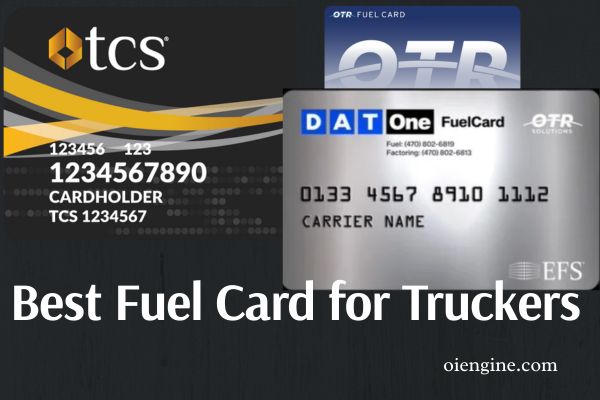
With fuel costs consuming 20-23% of your operating expenses, averaging $70,000 annually per truck, choosing the right fuel card isn’t just smart business; it’s essential for survival. Smart truckers are pocketing an extra $600+ monthly by ditching regular credit cards for specialized fuel cards designed for the trucking industry.
The best fuel cards for truckers in 2026 deliver savings ranging from $0.08 to $2.25 per gallon through industry leaders like TCS, OTR, DAT One, and Truckstop. These cards offer more than just discounts, they provide comprehensive expense tracking, IFTA reporting integration, and access to exclusive networks spanning 800 to 50,000+ locations nationwide.
This guide compares 14 top-rated fuel cards, exposes hidden fees that eat into your profits, and provides a clear selection framework based on your operation type. Whether you’re an owner-operator seeking prepaid fuel cards for truckers or a fleet manager hunting for volume discounts, you’ll discover exactly which card maximizes your bottom line.
We’ll analyze each card’s pricing structure, network coverage, technology features, and real-world savings potential. Plus, learn how to avoid common pitfalls that cost truckers thousands annually and discover strategies to stack additional savings beyond the pump price.
Table of Contents
- What Are Fuel Cards for Truckers?
- Top 14 Best Fuel Cards for Truckers in 2026
- TCS Fuel Card – Highest Reported Savings
- OTR Fuel Card – Best for Factoring Integration
- DAT One Fuel Card – Load Board Integration Leader
- Truckstop Fuel Card – Widest Network Acceptance
- Apex Fuel Card – IFTA Reporting Champion
- Comdata – Flexible Pricing Options
- WEX Fleet Card – Best Fleet Management Tools
- Additional Top Cards
- Fuel Card Comparison Table: Features, Fees & Networks
- How to Choose the Right Fuel Card for Your Operation?
- Hidden Fees and True Cost Analysis
- Maximizing Your Fuel Card Savings
- Common Mistakes When Choosing Fuel Cards
- How to Apply for Fuel Cards
- Fuel Card Technology and Features in 2026
- Frequently Asked Questions
- Conclusion
What Are Fuel Cards for Truckers?
Fuel cards are specialized payment tools that help truckers save significantly on diesel purchases while streamlining expense management. Unlike standard credit cards, these commercial fuel cards for truckers negotiate bulk pricing agreements with fuel networks, passing savings directly to drivers.
How Fuel Cards Work vs Regular Payment Methods?
Traditional payment methods leave truckers paying retail prices at the pump, missing out on substantial fleet discounts. Fuel cards leverage collective buying power to secure wholesale rates, often saving 10-50 cents per gallon compared to posted prices.
When you swipe a fuel card, the system automatically applies pre-negotiated discounts based on your card’s network agreements. The purchase data flows directly into expense tracking systems, eliminating manual receipt management and simplifying bookkeeping for trucking operations.
Most cards require PIN authentication for security and can restrict purchases to fuel-only or allow additional truck stop services. Payment terms typically range from weekly drafts to 30-day billing cycles, improving cash flow compared to immediate credit card charges.
Key Benefits Beyond Fuel Savings
While per-gallon savings grab headlines, experienced truckers value fuel cards for their operational advantages. Automated IFTA reporting saves hours of quarterly paperwork by tracking fuel purchases across states and calculating tax obligations.
Enhanced security features protect against fraud through purchase controls, location restrictions, and real-time alerts. If someone finds your lost card, they can’t drain your account buying merchandise, most cards limit transactions to fuel and approved vehicle services.
Additional perks often include:
- Free or discounted roadside assistance
- Tire and maintenance discounts up to 30%
- Scale ticket reimbursements
- Lumper fee advances
- Priority parking reservations at major truck stop chains
Retail-Minus vs Cost-Plus Pricing Explained
Understanding pricing models helps you evaluate true savings potential between different owner operator fuel card programs. The two primary structures each offer advantages depending on your routes and fuel consumption patterns.
Retail-minus pricing starts with the posted cash price and subtracts a fixed discount. If the pump shows $3.50/gallon and your card offers 10 cents off retail-minus, you pay $3.40. This model provides predictable savings and works well for drivers who fuel at varied locations.
Cost-plus pricing calculates your price from the fuel station’s wholesale cost plus a predetermined markup. During price spikes, cost-plus often delivers deeper discounts than retail-minus. However, savings fluctuate based on market conditions and location-specific wholesale rates.
Some premium cards offer “better-of” pricing, automatically applying whichever method saves you more at each fill-up. This hybrid approach maximizes savings but typically comes with higher monthly fees or stricter approval requirements.
Top 14 Best Fuel Cards for Truckers in 2026
After analyzing thousands of driver reviews and comparing real-world savings data, these 14 cards consistently deliver the best value for professional truckers. Each excels in specific areas, from maximum per-gallon discounts to comprehensive fleet management tools.
TCS Fuel Card – Highest Reported Savings
TCS dominates the prepaid fuel cards for trucking market with eye-popping discounts reaching $2.25 per gallon at select locations. Users report average savings of $0.47/gallon across the network, with some drivers documenting discounts up to $0.86/gallon during their first month.
The cash-secured model eliminates credit checks, making TCS accessible for new owner-operators and those rebuilding credit. Fund your account via ACH, Zelle, or even Comchek, with 24/7 access to add money as needed.
Zero transaction fees at 1,500+ in-network locations keep more money in your pocket. The TCS Fuel Finder app displays real-time prices after discounts, eliminating guesswork about where to fuel for maximum savings.
OTR Fuel Card – Best for Factoring Integration
OTR Solutions revolutionized fuel savings by seamlessly integrating their card with factoring services. This combination unlocks average savings of $0.50/gallon while providing same-day pay on delivered loads.
The true magic happens when you bundle services—factoring clients access exclusive fuel credit lines without personal guarantees. Your fuel purchases automatically deduct from factored invoices, simplifying accounting and improving cash flow for best fuel card for individuals running under their own authority.
With 2,500+ in-network locations offering zero transaction fees, OTR provides substantial coverage along major freight corridors. Their mobile app tracks real-time savings and integrates with popular trucking management software.
DAT One Fuel Card – Load Board Integration Leader
DAT leverages its position as the industry’s largest load board to offer unique fuel card advantages. Seamlessly integrated with the DAT One app, drivers can plan profitable routes while identifying optimal fuel stops along the way.
Flexible funding options accommodate various business models—load funds using fuel advances, factored invoices, or traditional payment methods. The automated card loading feature ensures you never run low on fuel funds during critical hauls.
Weekly Fuel Insider emails provide regional discount intelligence, helping you strategically plan fuel purchases. With thousands of participating locations, DAT’s extensive network rarely leaves you searching for savings.
Truckstop Fuel Card – Widest Network Acceptance
Boasting 99.9% acceptance at truck stops nationwide, the Truckstop Fuel Card eliminates range anxiety about finding participating locations. Average savings of $0.45/gallon add up quickly, with potential discounts reaching $2/gallon at select stops.
Zero setup, monthly, or annual fees make this an attractive option for cost-conscious owner-operators. The free mobile app tracks spending in real-time and locates nearby discount locations, integrating smoothly with Truckstop’s comprehensive trip planning tools.
Unlike restricted network cards, Truckstop works at major chains including TA, Petro, TA Express, Speedway, and 7-Eleven. This flexibility proves invaluable for drivers running irregular routes or handling spot market freight.
Apex Fuel Card – IFTA Reporting Champion
Apex Capital built their fuel card specifically for truckers drowning in paperwork. Automatic IFTA reporting captures every fuel purchase, calculating quarterly obligations and generating audit-ready reports with one click.
In-network locations deliver average savings of $0.68/gallon with zero transaction fees. Out-of-network flexibility allows fueling anywhere for emergencies, though savings drop to 3-5 cents/gallon and transaction fees apply.
The Apex Fuel Finder app excels at trip planning, displaying amenities alongside fuel prices. Cloud-based purchase syncing ensures your quarterly reports capture every gallon, even if you switch between multiple trucks.
Comdata – Flexible Pricing Options
Comdata’s three-tier pricing structure accommodates diverse business needs, from single owner-operators to growing fleets. Choose between retail-minus discounts, cost-plus pricing, or a flat $0.25/gallon reduction depending on your preferred locations.
The Driven for Comdata app simplifies expense tracking while helping locate the cheapest fuel card for diesel prices along your route. Real-time fraud alerts and 24/7 driver support provide peace of mind during long hauls.
With 15,000+ accepted locations, Comdata rarely leaves you hunting for participating stations. Additional savings on tires and maintenance at 3,000+ service centers multiply the value beyond fuel purchases.
WEX Fleet Card – Best Fleet Management Tools
WEX targets best fleet fuel card companies seeking comprehensive control over driver spending. Advanced purchase controls, detailed reporting, and API integration with major TMS platforms streamline multi-truck operations.
The dual-network design covers both truck stops and retail gas stations, accommodating mixed fleets running everything from semi-trucks to service vehicles. Nationwide acceptance at 95% of fuel stations ensures coverage regardless of vehicle type.
Customizable spending limits, time-of-day restrictions, and product category controls prevent unauthorized purchases. Real-time alerts notify managers of suspicious activity, reducing fraud losses common with traditional payment methods.
Additional Top Cards
Fuelman Deep Saver offers three membership tiers starting at $3.99/month for 8 cents/gallon savings. The Premium tier delivers deeper discounts for high-volume users willing to pay higher monthly fees.
EFS Fuel Card focuses on regional operations with 15+ cents/gallon savings at 2,200 EDGE network locations. Perfect for dedicated route drivers who can plan stops at participating stations.
Pilot Flying J Axle combines fuel savings with the extensive myRewards program. Earn points on fuel purchases redeemable for food, drinks, and truck accessories at 800+ Pilot and Flying J locations.
Love’s Express emphasizes simplicity with retail-minus pricing and zero fees. Contactless RFID payments speed up fueling, while the Love’s Connect portal provides detailed purchase analytics.
Shell Fleet Navigator leverages Shell’s 13,000+ stations with rebates up to 6 cents/gallon. Integration with WEX Fleet SmartHub adds powerful reporting capabilities for data-driven operations.
ExxonMobil BusinessPro rewards volume purchases with escalating rebates. Smaller operations might start at 2 cents/gallon, increasing to 6 cents as monthly gallons climb.
Truckers Advantage requires OOIDA membership but delivers exclusive cost-plus pricing at independent truck stops. The combination of member benefits and fuel savings often justifies the association dues.
Fuel Card Comparison Table: Features, Fees & Networks
| Card Name | Network Size | Avg Savings | Setup Fee | Monthly Fee | Transaction Fee | Special Features |
| TCS Fuel | 1,500+ | $0.47/gal | $0 | $0 | $0 in-network | Cash-secured, no credit check |
| OTR | 2,500+ | $0.50/gal | $0 | $0 | $0 in-network | Factoring integration |
| DAT One | 8,000+ | Varies | $0 | Varies | Varies | Load board integration |
| Truckstop | 99.9% coverage | $0.45/gal | $0 | $0 | $0 | Widest acceptance |
| Apex | 8,000+ | $0.68/gal | $0 | $0 | $0 in-network | Automatic IFTA |
| Comdata | 15,000+ | $0.25+/gal | $50 | $8 | Varies | Three pricing tiers |
| WEX Fleet | 95% stations | Varies | Varies | Varies | Varies | Advanced controls |
| Fuelman | 50,000+ | $0.08+/gal | $0 | $3.99+ | Varies | Tiered membership |
| EFS | 2,200 | $0.15+/gal | Varies | $0 | $0 EDGE | Regional focus |
| Pilot Axle | 800+ | Varies | $0 | $0 | $0 | myRewards points |
| Love’s | Network-wide | Retail-minus | $0 | $0 | $0 | RFID payments |
| Shell | 13,000+ | Up to $0.06 | Varies | Varies | Varies | WEX integration |
| ExxonMobil | 12,000+ | Up to $0.06 | $0 | $0 | Varies | Volume rebates |
| OOIDA | 8,000+ | Cost-plus | $0 | OOIDA dues | $0 | Member exclusive |
How to Choose the Right Fuel Card for Your Operation?
Selecting the optimal fuel card requires matching card features to your specific operational needs. Routes, truck count, credit situation, and cash flow patterns all influence which card delivers maximum value.
Best Fuel Cards for Owner-Operators
Independent truckers need flexibility above all else. The best commercial fuel cards for owner-operators combine wide acceptance, low fees, and accessible approval requirements without demanding perfect credit.
TCS and OTR lead this category with no-credit-check options funded through cash deposits or factoring relationships. Both deliver substantial per-gallon savings while accommodating the irregular cash flow common in owner-operator businesses.
Truckstop Fuel Card’s zero-fee structure and near-universal acceptance appeals to operators running varied freight. The savings might not match specialized network cards, but you’ll never waste time hunting for participating locations.
For established owner-operators with strong credit, Apex provides the perfect balance of savings and business tools. Automatic IFTA reporting alone saves hours quarterly, while competitive discounts keep overhead low.
Best Fuel Cards for Small Fleets (2-10 trucks)
Small fleet managers juggle driver management with cost control, requiring cards that simplify both tasks. Look for robust reporting, spending controls, and multi-card management without enterprise-level complexity.
WEX Fleet Card excels here with intuitive controls that prevent unauthorized purchases while providing detailed analytics. Set individual limits per driver, restrict purchase categories, and receive instant alerts for unusual activity.
Comdata’s tiered pricing accommodates fleet growth—start with basic retail-minus savings and upgrade to cost-plus as volume increases. The ability to issue cards instantly helps when adding seasonal drivers or leased operators.
For fleets prioritizing simplicity, Love’s Express offers straightforward savings without complex fee structures. The RFID technology speeds up fueling during team transitions while maintaining security through PIN requirements.
Regional vs National Route Considerations
Route patterns dramatically impact fuel card value. Regional operators often achieve better savings with network-specific cards, while national runners need broader acceptance to avoid out-of-network fees.
Eastern regional fleets should investigate EFS’s EDGE network concentration along I-95 and throughout the Northeast. The 15+ cents/gallon savings at participating locations often outweigh the limited network for dedicated route drivers.
Conversely, irregular route operators benefit from Truckstop or WEX cards with near-universal acceptance. The per-gallon savings might be lower, but consistent discounts across all locations provide predictable cost reductions.
Consider maintaining two cards—a primary network card for regular routes offering maximum discounts, plus a backup universal card for unexpected detours. This strategy maximizes savings while ensuring you’re never stuck paying retail prices.
Credit Requirements and Prepaid Options
Poor credit shouldn’t prevent accessing fuel savings. The growing market for prepaid fuel cards for truckers provides options for drivers rebuilding credit or preferring cash-based operations.
TCS pioneered the cash-secured model, requiring deposits but no credit checks. Fund your account as needed, maintaining complete control over spending without monthly bills or interest charges.
OTR’s factoring-integrated fuel program sidesteps traditional credit requirements by securing purchases against freight receivables. This innovative approach helps new authorities access fuel discounts immediately upon hauling loads.
For those preferring traditional credit but lacking established history, consider starting with prepaid options while building business credit. After 6-12 months of responsible usage, upgrade to credit-based cards offering potentially deeper discounts.
Hidden Fees and True Cost Analysis
Published fuel discounts tell only part of the savings story. Smart truckers calculate net savings after accounting for all fees, ensuring advertised discounts don’t evaporate through hidden charges.
Setup and Activation Fees Breakdown
Initial costs vary wildly between providers, potentially eating months of fuel savings before you pump your first gallon. Budget-conscious operators should factor these one-time charges into first-year cost projections.
Comdata’s $50 setup fee seems reasonable until you calculate break-even points. At 8 cents saved per gallon, you’ll need to burn through 625 gallons just to recoup the activation cost.
Conversely, zero-setup-fee options like TCS, OTR, and Truckstop let savings accumulate from day one. For owner-operators uncertain about long-term card usage, avoiding upfront fees reduces financial risk.
Some providers waive setup fees during promotional periods or for fleet accounts. Always negotiate—sales representatives often have authority to reduce or eliminate initial charges for serious prospects.
Transaction and Out-of-Network Charges
Transaction fees silently erode fuel savings, particularly for drivers frequently fueling at non-participating locations. These $2-5 charges add up quickly, potentially negating per-gallon discounts entirely.
In-network fueling typically carries zero transaction fees with quality cards. However, emergency fill-ups at out-of-network locations trigger fees that transform bargain fuel into premium-priced diesel.
Calculate your typical monthly fuel purchases and routing patterns before selecting a card. If you regularly fuel 20 times monthly with 5 out-of-network stops, those $3 fees cost $180 annually—eliminating savings from several hundred gallons.
Monthly/Annual Fee Structures
Recurring fees require careful analysis to ensure they’re justified by enhanced savings or features. A $10 monthly fee demands $120 annual value through extra discounts or services to break even.
Fuelman’s tiered structure illustrates this perfectly—the $3.99 Regular tier providing 8 cents/gallon savings makes sense for moderate users, while high-volume operators benefit from Premium tiers despite higher fees.
Zero-monthly-fee cards aren’t always cheapest overall. Sometimes paying $8-10 monthly unlocks substantially deeper per-gallon discounts that far exceed the fee cost for active drivers.
Real Cost Calculator: How Much Will You Actually Save?
Let’s calculate realistic savings using typical owner-operator metrics:
- Monthly miles: 10,000
- Fuel efficiency: 6.5 MPG
- Monthly fuel needed: 1,538 gallons
- Current price: $3.80/gallon
With 25¢/gallon average discount:
- Monthly savings: $385
- Annual savings: $4,620
- Minus $96 annual fees: $4,524 net savings
With 50¢/gallon premium discount:
- Monthly savings: $769
- Annual savings: $9,228
- Minus $180 in fees: $9,048 net savings
These calculations assume 100% in-network fueling. Adjust expectations if your routes require frequent out-of-network stops, reducing net savings proportionally.
Maximizing Your Fuel Card Savings
Obtaining a fuel card marks just the beginning. Strategic usage separates truckers saving hundreds monthly from those barely covering card fees. Master these techniques to extract maximum value.
Strategic Route Planning with Network Maps
Modern fuel card apps transform smartphones into savings command centers. Plot routes that prioritize in-network stations offering deepest discounts without adding excessive miles.
The sweet spot typically falls within 25 miles of your planned route. Driving 50 extra miles for 30 cents/gallon savings rarely pencils out after considering time, wear, and burned fuel.
Layer fuel planning with other stop needs—coordinate fueling with mandatory breaks, shower facilities, or parking requirements. This holistic approach maximizes efficiency while maintaining savings discipline.
Study weekly price patterns along regular routes. Many stations offer deeper discounts on specific days, allowing strategic planning for predictable lanes. Document these patterns in your trip planning tools for consistent savings.
Stacking Rewards and Additional Discounts
Savvy operators combine fuel card discounts with loyalty programs, manufacturer rebates, and seasonal promotions. This multi-layer approach can push effective savings beyond $1/gallon during optimal conditions.
Pilot Flying J’s myRewards program exemplifies stacking potential. Earn points on discounted fuel purchases, redeem for shower credits or merchandise, and access member-exclusive promotions throughout the year.
Many cards include automatic enrollment in tire and maintenance discount programs. Schedule PM services at participating locations to compound savings beyond fuel purchases.
Don’t overlook manufacturer rebates on diesel additives and DEF purchases. Combined with fuel card merchant discounts, these rebates effectively subsidize necessary fluid purchases.
Integration with Factoring and TMS Systems
Modern fuel cards integrate seamlessly with trucking business systems, automating expense tracking while unlocking operational insights. This connectivity transforms fuel cards from simple payment tools into business intelligence platforms.
API connections with transportation management systems automatically import fuel purchases, calculate cost-per-mile metrics, and flag unusual consumption patterns indicating mechanical issues.
Factoring integration, particularly with OTR’s system, creates a closed-loop payment ecosystem. Fuel advances automatically deduct from factored invoices, eliminating cash flow timing challenges.
For IFTA reporting, integrated cards save hours quarterly by automatically categorizing purchases by state and calculating tax obligations according to IFTA Inc. requirements. This automation reduces audit risk while freeing time for revenue-generating activities.
Maintenance and Tire Discount Programs
Fuel cards increasingly bundle maintenance benefits, recognizing that PM services and tire costs rival fuel expenses for total operating impact. These programs often deliver 20-30% savings on critical services.
TA Petro’s network offers exclusive fuel card holder discounts on preventive maintenance, with some cards providing additional percentage-off beyond standard fleet pricing. Schedule oil changes during fuel stops to maximize time efficiency.
Tire programs through Speedco and similar networks provide substantial savings on new tires and retreads. Some cards include emergency roadside tire service discounts, critical for minimizing breakdown costs.
Document all maintenance savings meticulously—these often-overlooked benefits can justify premium card fees that seem expensive when considering fuel savings alone. A single discounted tire replacement might cover annual card fees.
Common Mistakes When Choosing Fuel Cards
Even experienced truckers fall into predictable traps when selecting fuel cards. Learning from others’ mistakes accelerates your path to maximum savings while avoiding costly missteps.
Focusing solely on advertised per-gallon discounts ignores the complete financial picture. That card promising 50 cents off might charge $20 monthly fees plus $5 per out-of-network transaction, eroding savings for moderate users.
Network coverage mismatches waste money and time. Selecting a card with amazing discounts but poor coverage along your routes forces frequent out-of-network fueling, eliminating savings through transaction fees.
Ignoring technology features proves costly long-term. Cards lacking mobile apps, real-time pricing, or integration capabilities create administrative burdens that offset fuel savings through lost productivity.
Credit requirement misunderstandings delay savings access. Many truckers assume poor credit disqualifies them from fuel cards, missing excellent prepaid and cash-secured options offering competitive discounts without credit checks.
How to Apply for Fuel Cards
The application process varies significantly between providers, from instant approval prepaid cards to extensive credit evaluations for premium fleet accounts. Understanding requirements accelerates approval while avoiding unnecessary hard credit pulls.
Documentation Requirements
Standard fuel card applications require basic business information easily gathered in advance. Prepare these documents to streamline approval:
Essential Documents:
- Federal EIN or Social Security Number
- DOT and MC numbers
- Commercial driver’s license
- Proof of insurance
- Bank account information for payments
Fleet applications additionally require vehicle lists, driver rosters, and potentially financial statements. Some providers request fuel usage history to determine appropriate credit limits and verify business operations.
Prepaid cards dramatically simplify requirements—often just identity verification and initial deposit. This accessibility makes them perfect for new authorities or those rebuilding credit after financial challenges.
Credit Check vs No Credit Check Options
Traditional fuel cards perform hard credit inquiries, potentially impacting your score. However, the expanding no-credit-check market provides alternatives for credit-conscious applicants.
TCS, OTR (with factoring), and select prepaid programs skip credit checks entirely. These cash-secured or invoice-backed options provide immediate access to fuel savings without credit impact.
For credit-based cards, scores above 650 typically qualify for best rates and terms. Scores between 550-650 might face higher fees or reduced credit limits but often still gain approval.
Business credit reports from Dun & Bradstreet or Experian Business matter increasingly for fleet cards. Building strong business credit opens premium card access even with moderate personal scores.
Approval Timeline and Tips
Approval speeds range from instant for prepaid cards to several weeks for complex fleet accounts. Plan accordingly to avoid fuel funding gaps during transition periods.
Instant approval options include most prepaid cards and some factoring-integrated programs. Upload required documents, fund your account, and start saving immediately—perfect for urgent needs.
Standard credit-based cards typically process within 3-5 business days. Expedited options exist for established businesses with strong credit, potentially reducing wait times to 24 hours.
Approval optimization tips:
- Apply early in the week for fastest processing
- Ensure all documents are current and clearly legible
- List accurate fuel volume estimates
- Respond promptly to verification requests
- Consider starting with prepaid while building credit
Setting Up Multiple Driver Cards
Fleet operators need efficient systems for managing multiple cards without creating administrative nightmares. Modern platforms simplify this process through centralized dashboards and automated controls.
Request cards for each driver during initial setup to avoid delays when adding team members. Most providers allow instant card issuance through online portals, with physical cards arriving within days.
Establish clear naming conventions linking cards to drivers and trucks. This organization proves invaluable when reviewing purchase reports or investigating discrepancies months later.
Implement spending controls immediately—don’t wait for problems before adding restrictions. Set reasonable daily limits, restrict purchase categories, and enable real-time alerts for all cards.
Create driver agreements outlining acceptable use policies, fee responsibilities for personal use, and consequences for card misuse. Clear expectations prevent disputes and encourage responsible card usage.
Fuel Card Technology and Features in 2026
Modern fuel cards evolved far beyond simple payment tools. Today’s technology transforms them into comprehensive fleet management platforms that provide real-time insights and automated compliance tools.
Mobile Apps for Real-Time Pricing
Smartphone apps revolutionized fuel purchasing decisions by providing instant access to net prices after discounts. No more guessing whether that station 20 miles ahead offers better savings than your current location.
Leading apps like TCS Fuel Finder and OTR Mobile display your actual price per gallon, incorporating all applicable discounts and fees. This transparency eliminates surprises at the pump while enabling strategic decision-making.
Advanced features include route optimization that balances fuel savings with time efficiency. The app calculates whether detouring for cheaper fuel justifies extra miles, considering your truck’s specific fuel consumption.
Push notifications alert you to price drops at upcoming stations or promotional periods at frequently visited locations. This proactive intelligence helps time purchases for maximum savings without constant app monitoring.
IFTA Reporting Integration
Quarterly IFTA reporting transforms from dreaded paperwork into automated processes with integrated fuel cards. Every purchase automatically logs location, gallons, and prices into compliant reporting systems.
Apex leads IFTA automation, generating audit-ready reports that calculate tax obligations across all traveled states. The system tracks border crossings and allocates fuel purchases according to miles driven in each jurisdiction.
This automation extends beyond basic reporting—intelligent systems flag potential compliance issues like missing fuel receipts or unusual consumption patterns suggesting odometer problems.
Cloud storage ensures permanent record access, critical during DOT audits. Export reports in multiple formats compatible with trucking bookkeeping software, eliminating manual data entry.
Fraud Protection and Security Features
Fuel card fraud costs the industry millions annually, but modern security features dramatically reduce risk compared to traditional payment methods. Multi-layer protection keeps your fuel budget safe from internal and external threats.
Real-time transaction monitoring flags suspicious patterns like multiple fills within hours or purchases at unusual locations. Instant alerts let you freeze compromised cards before significant losses occur.
Velocity controls prevent rapid-fire transactions that indicate theft. Limiting gallons per day, transactions per period, or dollars per purchase stops most fraud attempts automatically.
Geographic restrictions confine purchases to specific regions or states, perfect for dedicated route operations. Cards physically cannot work outside defined boundaries, eliminating unauthorized use.
API Integration with Trucking Software
Modern fuel cards speak directly with Transportation Management Systems through robust APIs, creating seamless data flow between payment and operations platforms. This integration unlocks powerful analytics and automation capabilities.
Automatic expense importing eliminates manual entry errors while ensuring every gallon appears in cost calculations. Real-time updates keep profit margins accurate, critical for spot market rate decisions.
Advanced integrations trigger automated workflows—unusual fuel consumption might generate maintenance alerts, while efficient drivers receive performance bonuses based on MPG achievements.
Popular TMS platforms like McLeod, TMW, and Samsara offer pre-built fuel card integrations. Smaller operators benefit from Quickbooks connections that categorize fuel expenses automatically for simplified accounting.
Frequently Asked Questions
Can I Use Multiple Fuel Cards?
Absolutely—many successful truckers maintain 2-3 cards to maximize savings and ensure coverage. A primary network card delivers deepest discounts along regular routes, while a universal acceptance backup prevents retail price emergencies.
Different cards excel in different regions. Eastern operators might pair EFS for Northeast corridors with Pilot Flying J for western runs. This strategic combination ensures optimal savings regardless of freight demands.
Manage multiple cards through spreadsheet tracking or fuel management apps that aggregate all purchases. Set calendar reminders for different payment due dates to avoid late fees across multiple accounts.
Do Fuel Cards Work at Regular Gas Stations?
Card acceptance varies significantly by type. Fleet-oriented cards like WEX and Fuelman work at most retail locations, accommodating mixed fleets running pickups alongside semi-trucks.
Truck-stop-specific cards typically restrict usage to commercial diesel pumps. While this limitation frustrates some, it prevents unauthorized personal vehicle fueling that plagues fleet managers.
For true flexibility, consider universal cards accepting everywhere credit cards work. Savings might decrease at retail locations, but emergency coverage proves invaluable during equipment breakdowns requiring rental vehicles.
How Quickly Can I Get Approved for a Fuel Card?
Prepaid and cash-secured cards offer near-instant approval—often within hours of application. Fund your account and start saving immediately, perfect for urgent needs or credit-challenged applicants.
Standard credit-based cards average 3-5 business days from application to approval. Established businesses with strong credit might receive same-day decisions, while borderline applications could take weeks.
Fleet accounts requiring multiple cards and complex controls need additional setup time. Allow 2-3 weeks from approval to full implementation, including card distribution and driver training.
Are Fuel Card Savings Guaranteed?
Fuel card savings fluctuate based on market conditions, location, and network participation. While cards advertise average savings, actual discounts vary significantly between fills.
Cost-plus pricing delivers variable savings tied to wholesale fuel markets. During price spikes, savings might exceed advertised averages; during stable periods, discounts could shrink below expectations.
Read terms carefully—some cards guarantee minimum savings levels, while others simply provide access to negotiated rates. Track actual savings monthly to ensure cards deliver promised value after all fees.
Can I Get a Fuel Card with Bad Credit?
Poor credit doesn’t disqualify you from fuel savings. The expanding prepaid market serves credit-challenged truckers through cash-secured programs requiring no credit checks.
TCS pioneered this approach with their deposit-based system. Fund your account upfront and enjoy same discounts as credit-qualified users. No interest charges or late fees—just straightforward fuel savings.
Factoring relationships open another avenue through fuel advance programs. OTR and similar providers secure fuel purchases against freight receivables, bypassing personal credit entirely while building business payment history.
Conclusion
Selecting the right fuel card can transform your trucking operation’s profitability, potentially adding $7,200+ annually to your bottom line. The best fuel cards for truckers combine substantial per-gallon savings with operational tools that streamline business management.
For owner-operators, TCS and OTR lead with no-credit-check options and savings averaging $0.47-$0.50 per gallon. Small fleets benefit from WEX or Comdata’s advanced controls and reporting. National runners should prioritize Truckstop’s universal acceptance, while regional operators maximize savings through network-specific cards like EFS.
Remember to calculate true net savings after all fees—that advertised 50-cent discount means nothing if high monthly fees and transaction charges consume the savings. Match card networks to your actual routes and fueling patterns for optimal results.
Whether you need prepaid fuel cards for truckers or premium fleet management solutions, start your savings journey today. Begin with a no-commitment prepaid option to test real-world savings, then upgrade to credit-based cards as your operation grows. Every mile you drive without a fuel card costs money—apply now and start keeping more of your hard-earned revenue.