
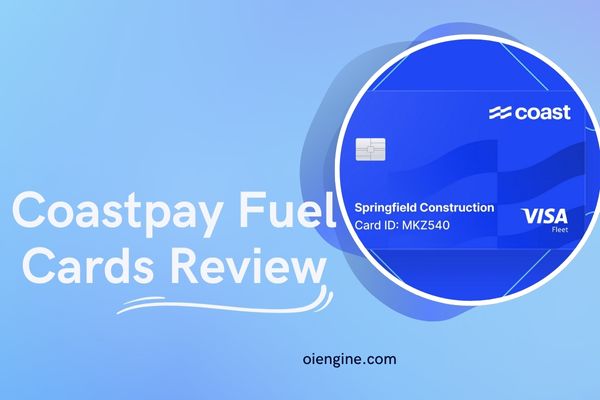
Fleet managers constantly search for fuel cards that deliver on their promises. Coast claims their cards save fleets an average of 10% on fuel costs, but does this hold up under scrutiny?
After analyzing user reviews, pricing structures, and competitive features, I’ve found that Coast fuel cards offer genuine value through transparent pricing at $4 per active card monthly and rebates ranging from 4¢ to 10¢ per gallon at partner stations. The Visa-backed platform has gained significant traction since its 2020 launch, growing its user base five-fold in 2023 alone.
This comprehensive review examines Coast’s features, pricing, real user experiences, and head-to-head comparisons with competitors like WEX. You’ll discover whether Coast’s combination of robust controls, wide acceptance, and competitive rebates makes it the right choice for your fleet operations.
Table of Contents
- What is Coast Fuel Card and How Does It Work?
- Coast Fuel Card Pricing and Fee Structure in 2026
- Coast Fuel Card Rebate Program: Maximizing Your Savings
- Key Features and Benefits of Coast Fleet Cards
- Coast Card Application Process and Requirements
- Coast Integration Capabilities and Fleet Management Tools
- Coast vs WEX Fuel Card: Detailed Comparison
- Coast vs Other Fleet Fuel Cards
- Real User Reviews and Experiences with Coast
- Limitations and Drawbacks of Coast Fuel Cards
- Pro Tips for Maximizing Coast Fuel Card Value
- Implementation Guide for New Coast Users
- Frequently Asked Questions About Coast Fuel Cards
- How quickly can I get approved for Coast fuel cards?
- Can Coast cards be used for vehicle maintenance?
- What happens if a Coast card is lost or stolen?
- How does Coast prevent fuel fraud?
- Is Coast suitable for small fleets under 5 vehicles?
- Can I use Coast cards at Costco gas stations?
- How do Coast rebates compare to cash back credit cards?
- Conclusion
What is Coast Fuel Card and How Does It Work?
Coast fuel card operates as a Visa fleet fuel and gas card designed specifically for businesses managing vehicle fleets. Unlike traditional fuel cards limited to specific brands, Coast works anywhere Visa is accepted, providing flexibility for drivers across the United States.
The system combines a physical payment card with sophisticated expense management software. When drivers purchase fuel or other approved expenses, transactions process through the Visa network while Coast’s platform captures detailed data including gallons purchased, fuel grade, and location.
Coast Company Background and Credibility
Founded in 2020, Coast has quickly established itself as a legitimate player in the fleet payment industry. The company secured $40 million in funding in July 2024, demonstrating investor confidence in their business model.
Coast’s rapid growth isn’t just about funding. The company expanded its user base five-fold in 2023, indicating strong market acceptance. Their partnership with Visa in March 2024 enhanced security features and expanded acceptance nationwide.
The company focuses primarily on field service fleets including HVAC, plumbing, construction, and local delivery businesses. This specialization allows them to tailor features specifically for these industries’ unique needs.
The Visa Network Advantage for Fleet Operations
Operating on the Visa network provides Coast users with unparalleled flexibility compared to branded fuel cards. Drivers can fuel up at virtually any gas station in the United States, eliminating the need to search for specific brand locations.
This universal acceptance extends beyond fuel purchases. Coast cards work for vehicle maintenance, repairs, and other business expenses wherever Visa is accepted. The network processes transactions in real-time, enabling immediate visibility into spending.
However, there’s one notable exception. Coast cards currently don’t work in North Dakota, South Dakota, and Nevada, which could impact fleets operating in these states.
How Coast’s Technology Platform Functions?
Coast’s platform operates through a web-based dashboard and mobile app integration. Fleet managers access comprehensive controls including spending limits, merchant restrictions, and real-time transaction monitoring.
The system automatically categorizes expenses and generates detailed reports. Each transaction captures line-item details such as fuel quantity, grade, and price per gallon, simplifying IFTA reporting and expense tracking.
Driver verification occurs through SMS technology, eliminating the need for PIN numbers. This approach reduces fraud risk while maintaining convenience for authorized users.
Coast Fuel Card Pricing and Fee Structure in 2026
Understanding Coast’s pricing structure is crucial for evaluating its value proposition. The company maintains one of the most transparent fee schedules in the industry.
Monthly Subscription Costs Explained
Coast charges $4 per active card per month. An “active” card means one that processes at least one transaction during the billing period. Inactive cards incur no charges, making it cost-effective to issue cards to occasional drivers.
This subscription fee includes access to all platform features, reporting tools, and customer support. There are no tiered pricing plans or feature restrictions based on fleet size.
For a 10-vehicle fleet using cards regularly, monthly costs total $40. Compared to competitors charging setup fees and higher monthly rates, Coast’s pricing remains competitive.
Hidden Fees: What Coast Won’t Charge You
Coast explicitly states what they don’t charge, setting them apart from competitors who often surprise customers with unexpected fees. You won’t pay for:
- Account setup or activation
- Annual membership fees
- Card replacement (standard shipping)
- Transaction processing fees
- Reporting or data export
- API access
- Customer support
This transparency helps fleet managers accurately budget for their fuel card program without worrying about surprise charges appearing on statements.
Late Payment and Additional Fee Breakdown
While Coast maintains minimal fees, understanding potential charges helps avoid unexpected costs:
| Fee Type | Amount | Details |
| Monthly Subscription | $4 per active card | Only charged for cards with transactions |
| Late Payment | Greater of 1% or $35 | Applied to past-due balances |
| Returned Payment | $35 | For insufficient funds or closed accounts |
| Express Shipping | Varies | FedEx delivery in 2-5 business days |
| Priority Shipping | Varies | FedEx delivery in 2-4 business days |
Payment terms require full balance payment monthly, similar to traditional charge cards rather than credit cards. This structure helps businesses maintain disciplined spending habits.
Coast Fuel Card Rebate Program: Maximizing Your Savings
The coast fuel card rebate program represents one of the platform’s strongest selling points. Unlike competitors with complex tier systems, Coast offers straightforward rebates based on fueling location.
Partner Station Rebates (4¢-10¢ per Gallon)
Coast has negotiated partnerships with over 29,000 gas stations nationwide, offering enhanced rebates. Major partners include:
7¢ per gallon:
- 7-Eleven
- Speedway
- Sheetz (select locations)
6¢ per gallon:
- Casey’s
- Turkey Hill
- Cumberland Farms
- Various regional chains
5¢ per gallon:
- Maverik
- Kum & Go
4¢ per gallon:
- Exxon
- Mobil
- RaceTrac
These rebates apply automatically with no minimum purchase requirements or monthly quotas to meet.
Universal 1¢ Rebate at All Other Stations
Even when fueling outside the partner network, Coast provides a 1¢ per gallon rebate at any station accepting Visa. While modest, this universal rebate ensures savings regardless of location.
This feature proves valuable for fleets operating in areas with limited partner station coverage. Drivers never need to go out of their way searching for specific brands to earn rebates.
Regional Rebate Variations and Hotspots
Coast offers location-based premium rebates in certain regions. The Northeast and Houston, Texas areas feature enhanced rates of 8¢ to 10¢ per gallon at select Exxon and Mobil stations.
Additional regional partnerships provide 6¢ to 8¢ per gallon at BP, Global, Sunoco, Shell, 76, and Citgo locations in these areas. Fleet managers operating in these regions can maximize savings by routing drivers to high-rebate stations.
The company’s station locator map helps identify optimal fueling locations along regular routes. While the map doesn’t currently filter by rebate amount, Coast support indicated this feature is under development.
Custom Fleet Programs for 30+ Vehicles
Larger fleets operating 30 or more vehicles may qualify for customized rebate programs. Coast works directly with these customers to negotiate enhanced rates based on fuel volume and geographic concentration.
Custom programs often include dedicated account management and tailored reporting features. Fleet managers interested in custom pricing should contact Coast directly for evaluation.
Interactive Element: Calculating Your Potential Savings
To illustrate potential savings, consider this example:
- Fleet size: 20 vehicles
- Average monthly fuel: 200 gallons per vehicle
- Total monthly fuel: 4,000 gallons
- Average rebate (using 5¢ partner stations): $200
- Annual rebate savings: $2,400
This doesn’t include the 1% cashback on non-fuel purchases or partner merchant discounts, which further enhance value.
Key Features and Benefits of Coast Fleet Cards
Coast fleet fuel reviews consistently highlight the platform’s comprehensive feature set designed specifically for fleet operations. These tools go beyond simple payment processing to provide complete expense management.
Real-Time Expense Tracking and Reporting
The Coast dashboard updates instantly as transactions process, eliminating the delays common with traditional fuel cards. Fleet managers see purchases within seconds, including detailed information about location, amount, and items purchased.
Reporting capabilities include customizable date ranges, vehicle-specific summaries, and driver performance metrics. Reports export in multiple formats for integration with accounting systems or further analysis.
Automated expense categorization reduces manual bookkeeping time. The system recognizes fuel purchases, maintenance expenses, and other categories automatically.
Customizable Spending Controls and Limits
Coast’s control system offers granular management options that fleet managers praise in coast credit card reviews. Available controls include:
- Daily, weekly, or monthly spending limits
- Merchant category restrictions
- Time-of-day purchase windows
- Geographic boundaries
- Fuel-only or mixed purchase settings
Controls apply at the card level, allowing different settings for various driver types. For example, long-haul drivers might have higher limits than local delivery personnel.
Changes take effect immediately through the dashboard. If suspicious activity occurs, managers can lock cards instantly and unlock them just as quickly when resolved.
SMS Driver Verification System
Coast’s SMS verification replaces traditional PIN systems with a more secure, user-friendly approach. When drivers swipe their card, they receive a text message requiring confirmation before the transaction processes.
This system eliminates PIN sharing, a common security vulnerability with traditional fuel cards. Each driver maintains their own phone number in the system, ensuring accountability.
The verification process adds only seconds to transactions while significantly enhancing security. Drivers report the system works reliably across different carriers and regions.
GPS-Based Transaction Security
When integrated with fleet management systems like Samsara or IntelliShift, Coast enables GPS-based fraud prevention. The system automatically compares vehicle location with transaction location.
If a card swipes at a station while the assigned vehicle is miles away, the transaction declines automatically. This feature alone prevents thousands of dollars in potential fraud annually for many fleets.
GPS integration also helps identify inefficient routing. Managers can see when drivers fuel at expensive stations despite cheaper options nearby.
1% Cashback on Non-Fuel Purchases
Unlike many fuel cards limiting benefits to gas purchases, Coast provides 1% cashback on all other business expenses. This includes:
- Vehicle maintenance and repairs
- Equipment purchases
- Office supplies
- Hotel stays
- Restaurant meals during business travel
Cashback credits appear automatically on monthly statements, requiring no redemption process. For fleets with significant non-fuel expenses, this benefit adds substantial value.
Partner Merchant Discount Programs
Coast negotiated exclusive discounts with national merchants frequently used by fleet operations:
Maintenance & Repairs:
- Jiffy Lube: 10% off oil changes
- Pep Boys: 10% off services
- Take 5 Oil: 15% off
- Discount Tire: 8% savings
Supplies & Equipment:
- Home Depot: Up to 22% off
- Grainger: Up to 24% off
- Office Depot: Up to 35% off
- HD Supply: Up to 25% off
Business Services:
- QuickBooks: 30% off for 6 months
- WhipAround Fleet Management: 15% off first year
- HONK Roadside Assistance: 2% savings
These discounts stack with the 1% cashback, maximizing savings on necessary business expenses.
Coast Card Application Process and Requirements
Understanding Coast’s application requirements helps businesses prepare for a smooth approval process. The company maintains specific criteria while keeping the process straightforward.
Business Entity Requirements (No Sole Proprietors)
Coast exclusively serves businesses organized as corporations, LLCs, or partnerships. Sole proprietors cannot qualify for Coast cards, regardless of fleet size or creditworthiness.
This requirement stems from Coast’s focus on business fleet operations rather than individual consumers. The restriction helps maintain their specialized service model and risk management approach.
Businesses must provide standard documentation including:
- Business formation documents
- Federal EIN
- Business bank account information
- List of authorized signers
Step-by-Step Application Guide
The online application process typically takes 10-15 minutes for prepared applicants:
- Click “Apply Now” on Coast’s website to begin
- Enter business information including legal name, address, and formation type
- Provide ownership details for anyone owning 25% or more of the business
- Submit financial information including estimated monthly fuel spend
- Add authorized users who will manage the account
- Review and submit the completed application
Coast may request additional documentation such as bank statements or government-issued IDs for verification. Having these ready speeds approval.
Approval Timeline and What to Expect
Many applications receive instant approval, particularly for established businesses with strong financial profiles. Others enter a manual review process taking 3-5 business days.
During review, Coast may contact applicants for clarification or additional information. Responding promptly helps maintain the stated timeline.
Once approved, physical cards ship within 1-2 business days via standard mail. Express shipping options expedite delivery for urgent needs.
No Personal Guarantee Advantage
Unlike many fleet fuel card providers, Coast doesn’t require personal guarantees from business owners. This protects personal assets and credit scores from business-related issues.
The lack of personal guarantee requirements makes Coast particularly attractive for:
- New businesses building credit
- Companies wanting to separate personal and business finances
- Multi-owner businesses avoiding guarantee complications
This policy demonstrates Coast’s confidence in their underwriting model and fraud prevention systems.
Coast Integration Capabilities and Fleet Management Tools
Modern fleet operations rely on integrated systems for maximum efficiency. Coast’s integration capabilities address this need through partnerships with leading fleet management platforms.
Samsara and IntelliShift Integration Features
Coast’s deepest integrations exist with Samsara and IntelliShift, two leading fleet management platforms. These integrations enable:
Real-time vehicle location verification – Transactions automatically verify against vehicle GPS location, preventing fraud when vehicles aren’t present at fuel stations.
Automated mileage tracking – Odometer readings sync between systems, eliminating manual entry and ensuring accurate records for IFTA reporting.
Unified reporting – Fuel data appears within fleet management dashboards, providing comprehensive vehicle cost analysis in one location.
Driver behavior correlation – Compare fuel efficiency with driving patterns to identify training opportunities and reduce fuel waste.
Accounting Software Compatibility (QuickBooks)
Coast integrates with QuickBooks Online and Desktop versions, streamlining expense management and bookkeeping. The integration automatically:
- Syncs transactions daily
- Categorizes expenses appropriately
- Matches receipts to purchases
- Generates journal entries
This automation saves hours of manual data entry monthly while reducing errors. Accountants appreciate the detailed transaction data that simplifies reconciliation.
API Access and Custom Integrations
For businesses with specific technical needs, Coast offers API access for custom integrations. The RESTful API enables:
- Real-time transaction data retrieval
- Custom reporting solutions
- Integration with proprietary systems
- Automated approval workflows
Developer documentation provides comprehensive guidance for implementation. Coast’s technical support team assists with complex integration requirements.
Integration Comparison Matrix
| Platform | Real-Time GPS | Mileage Sync | Unified Dashboard | API Access |
| Samsara | ✓ | ✓ | ✓ | ✓ |
| IntelliShift | ✓ | ✓ | ✓ | ✓ |
| QuickBooks | – | – | Partial | ✓ |
| Geotab | ✓ | ✓ | Partial | ✓ |
| Custom Systems | Varies | Varies | Varies | ✓ |
These integrations transform Coast from a simple payment method into a comprehensive fleet expense management solution.
Coast vs WEX Fuel Card: Detailed Comparison
The coast vs wex fuel card comparison represents one of the most common evaluations fleet managers make. Both serve similar markets but with distinctly different approaches.
Pricing and Fee Structure Differences
WEX and Coast take opposite approaches to pricing transparency and structure:
Coast Pricing:
- $4 per active card monthly
- No setup fees
- No annual fees
- Minimal additional charges
WEX Pricing:
- $2 per card monthly
- $40 one-time setup fee
- Various transaction fees
- Additional service charges
While WEX appears cheaper monthly, the setup fee means Coast becomes more economical for fleets not planning multi-year commitments. For a 10-card fleet, WEX’s setup fee equals 20 months of Coast’s monthly fees.
Rebate Programs Head-to-Head
The rebate structures reveal significant differences in how each company rewards customers:
Coast Rebates:
- 1¢ to 10¢ per gallon based on location
- No minimum purchase requirements
- Automatic application
- Same rates for all fleet sizes
WEX Rebates:
- Up to 15¢ per gallon at WEX EDGE network
- 3¢ per gallon elsewhere
- Volume-based tiers
- Varies by fleet size
WEX potentially offers higher maximum rebates, but only for large-volume fleets at specific locations. Coast provides more consistent savings across all situations.
Network Coverage and Acceptance
Both cards offer extensive acceptance, but through different networks:
Coast Coverage:
- Accepted anywhere Visa is accepted
- 29,000+ partner stations with enhanced rebates
- Excluded from ND, SD, NV
WEX Coverage:
- Accepted at 95% of US gas stations
- 45,000+ locations in WEX network
- No state exclusions
WEX’s dedicated fuel card network provides slightly broader fuel-specific coverage. Coast’s Visa backing offers superior flexibility for non-fuel purchases.
Which Card Wins for Your Fleet Size?
The optimal choice depends on specific fleet characteristics:
Choose Coast if:
- Operating fewer than 50 vehicles
- Prioritizing transparent, predictable costs
- Needing flexibility for various business expenses
- Wanting to avoid setup fees and commitments
Choose WEX if:
- Managing 50+ vehicle fleets
- Focusing exclusively on fuel purchases
- Operating in ND, SD, or NV
- Maximizing rebates through high volume
For most small to medium fleets, Coast’s simplicity and transparency provide better overall value.
Coast vs Other Fleet Fuel Cards
Understanding how Coast compares to other major fleet fuel cards helps identify the best fit for specific operational needs. Each competitor offers unique advantages and limitations.
Coast vs Comdata: Regional Considerations
Comdata targets primarily over-the-road trucking operations with a different value proposition than Coast:
Comdata Advantages:
- Up to 25¢ per gallon at TA Petro locations
- Specialized trucking features
- RFID options for faster fueling
- Established industry presence
Coast Advantages:
- Lower monthly fees ($4 vs $8)
- No $50 setup fee
- Broader merchant acceptance
- Superior technology platform
For regional fleets not frequenting truck stops, Coast provides better value. Long-haul operations near TA Petro locations might benefit more from Comdata’s higher potential rebates.
Coast vs Shell and ExxonMobil Cards
Branded cards from Shell and ExxonMobil offer different trade-offs:
Shell Fleet Cards:
- No monthly fees for basic card
- 2¢ to 6¢ rebates based on volume
- Limited to Shell stations
- Established brand recognition
ExxonMobil BusinessPro:
- $2 monthly per card
- Up to 6¢ per gallon rebates
- 12,000+ Exxon/Mobil locations
- Rewards points program
Coast Advantages:
- Universal acceptance beyond single brand
- Higher rebates at partner locations
- Better technology and controls
- No volume requirements
Fleets committed to specific fuel brands might prefer branded cards. Those valuing flexibility and modern features choose Coast.
Coast vs AtoB and Fuelman
Newer entrants like AtoB compete directly with Coast’s model:
AtoB Fuel Cards:
- Up to $1.85 per gallon diesel savings
- No monthly fees
- Modern technology platform
- Limited track record
Fuelman (FLEETCOR):
- Extensive network coverage
- Established reputation
- Higher fees and complex pricing
- Outdated technology
Coast balances modern features with proven reliability, making it attractive for fleets wanting innovation without excessive risk.
Summary Comparison Chart
| Feature | Coast | WEX | Comdata | Shell | AtoB |
| Monthly Fee | $4 | $2 | $8 | $0 | $0 |
| Setup Fee | $0 | $40 | $50 | $0 | $0 |
| Max Rebate | 10¢ | 15¢ | 25¢ | 6¢ | $1.85 |
| Acceptance | Visa | 95% stations | Truck stops | Shell only | Varies |
| Best For | SMB fleets | Large fleets | Trucking | Brand loyal | Price focused |
Real User Reviews and Experiences with Coast
Analyzing actual user experiences provides invaluable insights beyond marketing claims. Coast fuel reviews from verified users reveal consistent themes about the platform’s strengths and weaknesses.
Positive Feedback from Fleet Managers
Fleet managers consistently praise several aspects in their coast fleet fuel reviews:
Ease of Implementation: Users report setup taking less than a day, with intuitive dashboards requiring minimal training. One construction company manager noted: “We switched from Speedway and had our whole fleet running on Coast within 24 hours.”
Customer Service Excellence: Multiple reviews highlight responsive, US-based support. Users appreciate quick resolution times and knowledgeable representatives who understand fleet operations.
Fraud Prevention Success: The GPS integration receives particular praise. A transportation company reported saving over $5,000 annually by eliminating unauthorized purchases.
Reporting Capabilities: Managers value the detailed, real-time reporting. The ability to export data for analysis helps identify cost-saving opportunities.
Common Complaints and Limitations
While generally positive, coast credit card reviews do highlight some recurring issues:
State Restrictions: The inability to use cards in North Dakota, South Dakota, and Nevada frustrates fleets operating across these borders.
Processing Confusion: Some gas station attendants don’t understand how to process Visa fleet cards, occasionally causing delays or requiring manager assistance.
Chip-Only Technology: The lack of tap-to-pay functionality seems outdated to some users accustomed to contactless payments.
Limited High-Rebate Locations: Users outside the Northeast and Houston areas wish for more 8¢-10¢ rebate opportunities.
Industry-Specific Use Cases
Different industries report varying experiences with Coast:
HVAC Companies: Appreciate the ability to restrict purchases to business hours, preventing after-hours personal use.
Construction Fleets: Value the integration with project management systems for job costing.
Delivery Services: Benefit from route optimization insights gained through transaction location data.
Passenger Transport: Find the driver verification system particularly valuable for accountability.
Capterra and Software Review Insights
Capterra reviews provide aggregated insights from verified business users:
- Overall Rating: 4.8/5 stars from 108+ reviews
- Ease of Use: 4.9/5 stars (above category average)
- Customer Service: 4.8/5 stars
- Features: 4.7/5 stars
- Value for Money: 4.8/5 stars
Reviewers consistently mention saving 10% or more on fuel costs, validating Coast’s marketing claims. The platform earned “Best Ease of Use” badges in multiple categories.
Limitations and Drawbacks of Coast Fuel Cards
Every fuel card has limitations, and Coast is no exception. Understanding these drawbacks helps set realistic expectations and identify potential deal-breakers.
State Restrictions (ND, SD, NV)
The most significant limitation affects fleets operating in North Dakota, South Dakota, or Nevada. Coast cards simply don’t work in these states, creating major inconvenience for:
- Interstate trucking companies
- Regional service businesses near state borders
- Companies with locations in restricted states
- Travelers passing through these areas
This restriction forces affected fleets to maintain secondary payment methods, complicating expense management.
Chip-Only Technology (No Tap-to-Pay)
While secure, Coast’s chip-only cards feel outdated compared to modern payment methods. Drivers accustomed to tap-to-pay find the chip insertion process slower and less convenient.
This limitation becomes particularly noticeable during peak hours at busy stations. The extra seconds per transaction add up across multiple daily fuel stops.
Some newer payment terminals optimize for contactless payments, making chip transactions even more cumbersome. Coast hasn’t announced plans to upgrade to tap-enabled cards.
Processing Issues at Some Stations
Despite Visa acceptance, some gas station employees struggle with fleet card processing. Common issues include:
- Confusion about commercial vs. consumer cards
- Incorrect processing as credit instead of fleet
- Systems not recognizing Coast as a valid fleet card
- Requirements for manager override
These problems occur more frequently at independent stations or those with outdated point-of-sale systems. While usually resolvable, they create frustration and delays.
Sole Proprietor Exclusion
Coast’s business-only policy excludes a significant market segment. Sole proprietors operating legitimate fleet businesses cannot access Coast’s benefits, including:
- Independent owner-operators
- Single-truck businesses
- Freelance delivery drivers
- Small family operations
This restriction seems arbitrary to many small business owners who could benefit from Coast’s features and rebates.
Pro Tips for Maximizing Coast Fuel Card Value
Experienced fleet managers have developed strategies to extract maximum value from their Coast programs. These proven techniques can significantly impact your bottom line.
Strategic Route Planning for Higher Rebates
Smart routing around high-rebate partner stations dramatically increases savings without adding significant mileage:
Map Regular Routes: Identify partner stations along frequently traveled routes using Coast’s station locator.
Create Fuel Zones: Designate preferred fueling areas where drivers should fill up when tank levels reach 25-30%.
Communicate Priorities: Share rebate information with drivers, explaining how small detours create significant savings.
Track Compliance: Use reporting tools to verify drivers utilize partner stations when available.
Leveraging Non-Fuel Purchase Benefits
The 1% cashback on non-fuel purchases adds up quickly when strategically utilized:
Consolidate Purchases: Route all eligible business expenses through Coast cards rather than other payment methods.
Stack Discounts: Combine partner merchant discounts with the 1% cashback for maximum savings.
Track Categories: Monitor which expense categories generate the most cashback to identify optimization opportunities.
Employee Training: Ensure all authorized users understand cashback eligibility and partner discounts.
Setting Optimal Spending Controls
Properly configured controls balance security with operational flexibility:
Start Conservative: Begin with tighter controls and gradually loosen based on actual needs and driver feedback.
Time-Based Limits: Set purchase windows matching normal business hours to prevent after-hours misuse.
Category Restrictions: Allow fuel and emergency repairs while blocking convenience store purchases.
Progressive Limits: Increase spending limits for proven reliable drivers while maintaining stricter controls for new employees.
Monthly Reconciliation Best Practices
Efficient monthly reconciliation saves time while catching issues early:
Weekly Reviews: Don’t wait until month-end; review transactions weekly to catch problems quickly.
Automate Exports: Schedule automatic report delivery to accounting to streamline processes.
Driver Accountability: Require drivers to submit receipts for non-fuel purchases within 48 hours.
Variance Analysis: Compare actual fuel consumption to vehicle efficiency ratings to identify potential issues.
Top 10 Money-Saving Strategies with Coast
- Fuel at partner stations whenever possible (save 3¢-9¢ per gallon)
- Use cards for all business expenses to maximize 1% cashback
- Take advantage of merchant discounts at Home Depot, Grainger, etc.
- Set up GPS integration to prevent fraud before it happens
- Issue cards to all drivers but only pay for active ones
- Plan routes around high-rebate stations in your operating area
- Monitor real-time alerts to catch unusual activity immediately
- Train drivers on SMS verification to prevent transaction delays
- Review monthly statements for optimization opportunities
- Contact Coast for custom programs if operating 30+ vehicles
Implementation Guide for New Coast Users
Successfully launching Coast across your fleet requires careful planning and execution. This guide provides a roadmap for smooth implementation.
Initial Setup and Card Distribution
Week 1 focuses on account configuration and card ordering:
Day 1-2: Account Setup
- Complete business verification
- Add authorized administrators
- Configure initial spending policies
- Order cards for all drivers
Day 3-4: System Integration
- Connect QuickBooks or accounting software
- Set up fleet management integration
- Configure reporting preferences
- Test API connections if applicable
Day 5-7: Card Distribution Planning
- Create driver assignment spreadsheet
- Prepare distribution envelopes
- Draft driver instruction sheets
- Schedule training sessions
Training Drivers on the SMS System
Proper driver training prevents confusion and ensures smooth operations:
Pre-Launch Communication:
- Explain the switch from PIN to SMS verification
- Ensure all driver phone numbers are current
- Address privacy concerns about phone usage
Hands-On Training:
- Demonstrate the verification process
- Practice with test transactions
- Review timeout procedures
- Explain backup verification methods
Common Issues to Address:
- Phone battery dead scenarios
- Poor cell coverage areas
- International driver considerations
- Multiple drivers sharing vehicles
Configuring Policies and Controls
Strategic policy configuration balances security with usability:
Phase 1 – Basic Controls:
- Set conservative daily limits ($150-200)
- Enable fuel-only restrictions
- Configure business hours windows
- Activate GPS verification
Phase 2 – Refinement (Week 2-3):
- Adjust limits based on actual usage
- Add approved merchant categories
- Customize controls by driver role
- Enable maintenance purchases
Phase 3 – Optimization (Month 2+):
- Analyze spending patterns
- Identify policy gaps
- Implement driver feedback
- Fine-tune for efficiency
First Month Optimization Checklist
Use this checklist to ensure successful implementation:
Week 1:
- [ ] All cards distributed and activated
- [ ] Drivers trained on SMS system
- [ ] Basic controls configured
- [ ] Integration testing complete
Week 2:
- [ ] First transactions processed successfully
- [ ] Driver feedback collected
- [ ] Initial reports generated
- [ ] Policy adjustments made
Week 3:
- [ ] Accounting integration verified
- [ ] Rebates appearing correctly
- [ ] Fraud alerts configured
- [ ] Management dashboard customized
Week 4:
- [ ] Monthly statement reviewed
- [ ] Cost savings calculated
- [ ] Process improvements identified
- [ ] Success metrics established
Frequently Asked Questions About Coast Fuel Cards
How quickly can I get approved for Coast fuel cards?
Many businesses receive instant approval when applying online, particularly those with established credit and clear business structures. However, some applications require manual review, taking 3-5 business days.
Factors affecting approval speed include business age, credit history, and completeness of submitted documentation. Having all required documents ready accelerates the process significantly.
Can Coast cards be used for vehicle maintenance?
Yes, Coast cards work for maintenance and repairs at any merchant accepting Visa. This includes dealership service centers, independent repair shops, and quick-lube facilities.
The 1% cashback applies to maintenance purchases, and many partner merchants offer additional discounts. Fleet managers can restrict cards to fuel-only if they prefer limiting maintenance purchases.
What happens if a Coast card is lost or stolen?
Report lost or stolen cards immediately through the Coast dashboard or customer service. Cards can be locked instantly, preventing unauthorized use.
Coast’s fraud protection covers up to $25,000 annually for unauthorized transactions. Replacement cards ship within 1-2 business days at no charge via standard mail.
How does Coast prevent fuel fraud?
Coast employs multiple fraud prevention measures including SMS driver verification, GPS location matching, and real-time transaction monitoring. These systems work together to prevent common fraud schemes.
The platform alerts managers instantly when suspicious activity occurs, such as transactions at unusual locations or times. Customizable controls add additional protection layers.
Is Coast suitable for small fleets under 5 vehicles?
Coast works well for fleets as small as one vehicle, though the $4 monthly fee per card impacts cost-effectiveness for very small operations. The platform’s features and rebates often offset fees even for small fleets.
Consider your monthly fuel spend when evaluating Coast. Fleets spending $500+ monthly on fuel typically save money despite the fees.
Can I use Coast cards at Costco gas stations?
Yes, Coast cards work at Costco gas stations since they operate on the Visa network. Costco typically offers competitive fuel prices, making this compatibility valuable for cost-conscious fleets.
Note that Costco gas stations may not offer Coast’s partner rebates, but the universal 1¢ per gallon rebate still applies.
How do Coast rebates compare to cash back credit cards?
The coast vs wex gas card comparison extends to traditional cashback cards. Coast’s 4¢-10¢ partner rebates exceed most credit cards’ 1-3% fuel rewards.
However, Coast provides additional value through fleet-specific features like spending controls, detailed reporting, and fraud prevention that credit cards lack. These management tools often provide more value than rebate differences.
Conclusion
Coast fuel cards deliver genuine value for businesses seeking transparent pricing, robust controls, and competitive rebates. The platform’s $4 monthly fee and 4¢-10¢ partner station rebates validate their claim of 10% average fuel savings for most fleets.
The combination of Visa network acceptance, real-time reporting, and sophisticated fraud prevention makes Coast particularly attractive for small to medium-sized field service fleets. While limitations exist—notably state restrictions and chip-only technology—the benefits typically outweigh drawbacks for target customers.
Coast excels for businesses prioritizing modern technology, transparent pricing, and operational flexibility over maximum rebates. Fleets should evaluate their specific needs, considering factors like operating locations, fuel volume, and management requirements.
To determine if Coast fits your fleet, calculate potential savings using your actual fuel consumption and common routes. Consider the value of features beyond rebates, including time saved through better reporting and reduced fraud. Most fleets spending $2,000+ monthly on fuel find Coast’s comprehensive platform worthwhile despite the modest monthly fees.