
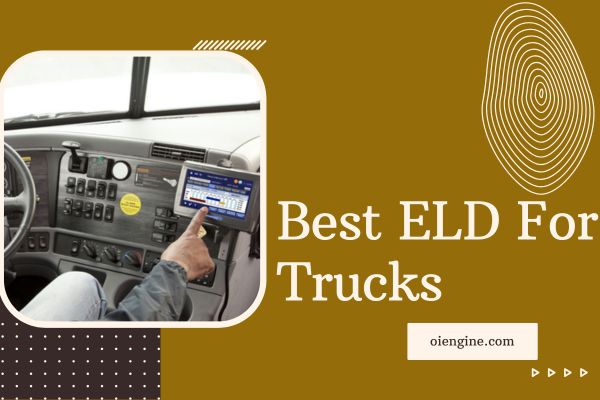
The cost of non-compliance with ELD regulations can devastate your trucking business. With fines reaching thousands of dollars and potential out-of-service orders, choosing the right electronic logging device isn’t just important, it’s critical for your livelihood.
Our top picks for 2026 are Matrack ELD for overall value at $19.95/month, Motive (formerly KeepTruckin) for owner-operators needing user-friendly ELD compliance, and Garmin eLog for those wanting to avoid monthly fees with a one-time $249.99 purchase.
Electronic logging devices automatically track your hours of service tracking to meet federal regulations. This comprehensive guide compares 14 FMCSA approved ELD options, analyzes pricing, features, and helps you find the perfect solution for your specific trucking needs.
Table of Contents
- Quick Answer: Best Electronic Logging Devices for Trucks
- What Is an Electronic Logging Device (ELD)?
- Why Do Truckers Need FMCSA Approved ELDs?
- 14 Best ELD Devices for Trucks in 2026
- ELD Pricing Comparison Table
- How to Choose the Right ELD for Your Trucking Business?
- Essential ELD Features to Look For
- ELD Installation and Setup Guide
- ELD Exemptions: Who Doesn’t Need Electronic Logs?
- Common ELD Problems and Solutions
- Making the Most of Your ELD Investment
- Frequently Asked Questions
- Conclusion
Quick Answer: Best Electronic Logging Devices for Trucks
Top Overall Pick: Matrack ELD
Matrack delivers unbeatable value with a lifetime warranty, 5-minute installation, and comprehensive compliance features at just $19.95/month. Their 99.99% uptime and no-contract flexibility make it ideal for most trucking operations.
Best for Owner-Operators: Motive (KeepTruckin)
Motive simplifies electronic logbook for truckers with AI-powered trip detection and an intuitive mobile app. At around $30/month, it offers the perfect balance of features and ease of use for independent drivers.
Best No-Monthly-Fee Option: Garmin eLog
For a one-time investment of $249.99, Garmin eliminates recurring costs while maintaining full FMCSA compliance. It’s perfect for budget-conscious drivers who prefer ownership over subscriptions.
What Is an Electronic Logging Device (ELD)?
ELD Definition and Core Functions
An electronic logging device is a federally mandated technology that connects to your truck’s engine to automatically record driving time, ensuring compliance with Hours of Service (HOS) regulations. These devices have replaced traditional paper truck driver log books for most commercial drivers since December 2019.
ELDs capture critical data including driving hours, vehicle miles, engine hours, and location information. This information syncs to a digital logbook accessible via smartphone, tablet, or dedicated display unit.
The primary function extends beyond simple time tracking. Modern ELDs provide real-time alerts before violations occur, helping drivers maintain compliance while maximizing available driving hours.
How ELDs Connect to Your Truck?
ELDs plug directly into your vehicle’s diagnostic port (usually located under the dashboard) to access the Engine Control Module (ECM). This connection enables automatic detection of vehicle movement, engine status, and precise mileage tracking.
Most devices use a standard J1939 or J1708 diagnostic port for heavy-duty trucks. Light-duty vehicles typically use the OBD-II port found in most vehicles manufactured after 1996.
Once connected, the ELD communicates via Bluetooth or cellular connection to a mobile device or display unit. This wireless connectivity ensures drivers can manage logs, complete inspections, and respond to alerts without physical cables.
ELD vs Paper Logs: Key Differences
The shift from paper to DOT electronic logs revolutionizes how drivers track their time. Paper logs require manual entry for every status change, creating opportunities for errors and consuming valuable time during pre-trip and post-trip activities.
Electronic logs automatically capture drive time the moment your vehicle starts moving. Status changes happen with a simple screen tap, and mathematical errors become impossible since the system calculates available hours automatically.
During roadside inspections, ELDs provide instant access to logs via screen display or email. This eliminates fumbling through paperwork and reduces inspection times significantly.
FMCSA ELD Mandate Requirements
The Federal Motor Carrier Safety Administration requires ELDs for most commercial drivers who currently maintain Records of Duty Status (RODS). The mandate applies to vehicles involved in interstate commerce.
Key requirements include:
- Automatic recording of drive time
- Driver authentication and certification
- Data transfer capabilities for inspections
- Resistance to tampering
- Synchronization with vehicle engine
Devices must be registered and self-certified on the FMCSA’s official list. Using non-compliant devices results in the same penalties as having no ELD at all.
Why Do Truckers Need FMCSA Approved ELDs?
Legal Requirements and Compliance
Federal law mandates ELD use for commercial motor vehicle drivers who are required to maintain hours of service records. This includes most trucks with a gross vehicle weight rating over 10,001 pounds engaged in interstate commerce.
The regulations aim to prevent driver fatigue by ensuring accurate hours tracking. Before ELDs, paper log manipulation was common, leading to dangerous situations where exhausted drivers remained on the road.
State regulations may impose additional requirements. Some states mandate ELDs even for intrastate operations, making compliance essential regardless of your routes. Understanding your trucking business requirements helps avoid costly surprises.
Penalties for Non-Compliance
Violations of ELD requirements result in serious consequences that impact both immediate operations and long-term business viability. Drivers found without a compliant ELD face out-of-service orders lasting 8 hours for first offenses.
Financial penalties vary by violation type:
- No ELD present: $1,000-$11,000
- Using non-compliant device: $500-$5,000
- Tampering or falsification: $2,500-$12,500
- Multiple violations can compound penalties
Beyond immediate fines, violations affect your Compliance, Safety, Accountability (CSA) scores. Poor scores lead to increased inspections, higher insurance premiums, and difficulty securing contracts with quality shippers.
Benefits Beyond Compliance
While compliance drives ELD adoption, smart operators leverage these devices for competitive advantages. Real-time tracking improves dispatch efficiency, reducing empty miles and maximizing revenue per mile.
Automated IFTA reporting saves hours of manual calculation each quarter. Accurate mileage tracking by state eliminates guesswork and reduces audit risks while ensuring proper tax payments.
Driver safety improves through fatigue management and accident documentation. Many ELDs include driver scorecards that identify risky behaviors like hard braking or rapid acceleration, enabling targeted safety training.
14 Best ELD Devices for Trucks in 2026
Matrack ELD – Best Overall
Matrack stands out with its unbeatable combination of affordability, reliability, and comprehensive features. At just $19.95 per month with no contracts and a lifetime warranty, it delivers exceptional value for fleets of all sizes.
Key Features:
- 5-minute plug-and-play installation
- Real-time GPS tracking and geofencing
- Automated IFTA reporting
- DOT inspection mode on mobile app
- 99.99% uptime guarantee
- Free device with service
Pros:
- Lifetime warranty protects your investment
- No contract requirement provides flexibility
- Intuitive dashboard simplifies compliance management
- 24/7 customer support with 10-minute response time
Cons:
- Mobile app occasionally experiences sync delays
- Advanced analytics require higher-tier plans
Pricing: $19.95/month, no setup fees, free hardware
Motive (KeepTruckin) – Best for Owner Operators
Motive revolutionized the best ELD for owner operators market with its user-friendly approach and powerful automation. The AI-powered system minimizes manual input while maximizing compliance accuracy.
Key Features:
- Automatic drive time detection
- Smart dashcam integration
- Vehicle diagnostics and fault codes
- Fuel card integration
- IFTA and DVIR automation
- Multi-driver support on single device
Pros:
- Industry-leading mobile app interface
- AI reduces manual log editing by 90%
- Comprehensive free training resources
- Seamless integration with dispatch systems
Cons:
- Monthly cost higher than basic alternatives
- Some features require additional hardware
Pricing: Starting at $30/month per vehicle
Samsara – Best ELD for Fleet Management
Samsara combines ELD compliance with comprehensive fleet management tools, making it ideal for operations needing visibility beyond basic hours tracking. Their integrated platform streamlines multiple aspects of fleet operations.
Key Features:
- Real-time GPS fleet tracking
- AI-powered dash cams
- Temperature monitoring for reefers
- Maintenance scheduling
- Route optimization
- WiFi hotspot capability
Pros:
- All-in-one platform reduces software sprawl
- Exceptional video telematics
- Proactive compliance alerts
- Industry-leading customer support
Cons:
- Premium pricing reflects advanced features
- May be overkill for basic compliance needs
Pricing: $30-$40/month (custom quotes required)
Garmin eLog – Best ELD with No Monthly Fees
Garmin disrupts traditional ELD pricing models with their one-time purchase option. For $249.99, drivers own their device outright without recurring subscription fees.
Key Features:
- No monthly subscription required
- Works with Garmin dezl GPS units
- Bluetooth connectivity
- Basic HOS tracking
- Local data storage
- Simple installation process
Pros:
- Eliminates ongoing monthly costs
- Trusted brand reliability
- Perfect for occasional drivers
- Data privacy through local storage
Cons:
- Limited features compared to subscription models
- No real-time fleet tracking
- Lacks IFTA automation
Pricing: $249.99 one-time purchase
Verizon Connect – Best for Large Fleets
Verizon Connect leverages extensive infrastructure to deliver enterprise-grade solutions. Large fleets benefit from scalable features and integration capabilities that grow with their business.
Key Features:
- Comprehensive fleet tracking
- Advanced route optimization
- Fuel usage analytics
- Driver behavior monitoring
- Custom reporting dashboards
- API integration options
Pros:
- Scales effortlessly from 10 to 10,000 vehicles
- Robust third-party integrations
- Dedicated account management
- 99.9% uptime SLA
Cons:
- Complex pricing requires consultation
- Steep learning curve for full features
- Overkill for small operations
Pricing: Custom quotes starting around $20/month
EROAD Ehubo – Best for Box Trucks
EROAD specifically designs their solution for mixed fleets including box trucks. Their rugged hardware withstands demanding delivery environments while providing accurate compliance tracking.
Key Features:
- Heavy-duty hardware design
- Geofencing for delivery zones
- Third-party compliance verification
- Weight-mile tax reporting
- Driver messaging system
- Idle time monitoring
Pros:
- Exceptional build quality
- Accurate tracking for local deliveries
- Strong customer support
- IFTA automation included
Cons:
- Higher price point
- Installation more complex than competitors
Pricing: $30-$60/month depending on features
Additional Top-Rated ELDs
Azuga ($25/month): Excellent IFTA reporting automation and comprehensive fleet analytics. Best for fleets prioritizing fuel tax compliance and operational insights.
Transflo ($79.99/month): Premium option with integrated document scanning and freight matching. Ideal for owner-operators maximizing revenue opportunities.
BigRoad DashLink ($19.50/month): Budget-friendly with solid mobile app. Perfect for drivers prioritizing simplicity and managing expenses.
GPSTrackit ($25.95/month): Quick installation and multilingual support. Great for diverse fleets with international drivers.
Rand McNally ELD 50 ($75 one-time): Reliable budget hardware for Android devices. Suitable for drivers with existing tablets.
Trucker Path ($25.95/month): Strong community features and load board integration. Excellent for independent operators seeking freight.
Gorilla Safety ($250 one-time): Paperless document management focus. Ideal for environmentally conscious fleets.
BIT ELD ($295 one-time): Bluetooth reliability for stable connections. Best for drivers preferring wireless solutions.
ELD Pricing Comparison Table
| ELD Provider | Monthly Cost | Hardware Cost | Contract Required | Free Trial |
| Matrack | $19.95 | Free | No | 30 days |
| Motive | $30+ | Included | No | Yes |
| Samsara | $30-40 | Included | Yes | Demo only |
| Garmin eLog | $0 | $249.99 | No | No |
| Verizon Connect | $20+ | Varies | Yes | Demo only |
| EROAD | $30-60 | Included | Yes | No |
| Azuga | $25 | Included | No | Yes |
| Transflo | $79.99 | Included | No | No |
| BigRoad | $19.50 | $99 | No | 30 days |
| GPSTrackit | $25.95 | Included | Annual | Yes |
| Rand McNally | $0 | $75 | No | No |
| Trucker Path | $25.95 | Included | No | Yes |
| Gorilla Safety | $0 | $250 | No | No |
| BIT ELD | $0 | $295 | No | No |
How to Choose the Right ELD for Your Trucking Business?
For Owner-Operators
Independent drivers need ELD comparison focused on affordability and simplicity. Your ideal device balances compliance with business management features without overwhelming complexity.
Start with your budget constraints. If cash flow is tight, consider one-time purchase options like Garmin or monthly plans under $25. Remember to factor in potential business insurance savings from improved safety scores.
Essential features for owner-operators include:
- Simple mobile interface
- Load tracking capabilities
- IFTA reporting automation
- Minimal training requirements
Avoid overpaying for fleet features you won’t use. Focus on devices offering strong customer support since you won’t have an IT department for troubleshooting.
For Small Fleets (2-10 trucks)
Small fleet managers balance individual driver needs with centralized oversight requirements. Your ELD should grow with your business without requiring system changes.
Look for solutions offering:
- Multi-driver management from single dashboard
- Flexible pricing tiers
- Basic dispatch integration
- Shared device capabilities
Matrack and Motive excel here with scalable pricing and features. Both allow easy driver additions without complex contracts or hardware changes.
Consider future integration needs with dispatch software or accounting systems. Starting with a compatible ELD prevents costly switches later.
For Large Fleets (10+ trucks)
Enterprise operations demand robust features beyond basic compliance. Your ELD investment should deliver operational improvements justifying premium pricing.
Critical considerations include:
- API integration capabilities
- Custom reporting options
- Dedicated support teams
- Training resources for drivers
- Bulk hardware discounts
Verizon Connect and Samsara lead this category with comprehensive platforms. Their higher costs offset through operational efficiencies and reduced violation risks.
Evaluate total cost of ownership including training time, integration expenses, and potential productivity gains. The right system pays for itself through improved efficiency.
For Specific Vehicle Types
Different truck types present unique ELD challenges requiring specialized solutions. Box trucks making frequent stops benefit from EROAD’s delivery-focused features.
Hotshot operators need portable solutions that work across multiple vehicles. Devices like Garmin eLog or Bluetooth-enabled options provide necessary flexibility.
Heavy-duty long-haul trucks require robust hardware surviving extreme conditions. Prioritize devices with proven reliability and strong warranty coverage for these applications.
Essential ELD Features to Look For
Must-Have Features
Every compliant ELD must include core functionalities mandated by FMCSA regulations. These non-negotiable features ensure legal compliance and basic operational needs.
Automatic HOS Tracking: The device must automatically record driving time when the vehicle moves. Manual entry should only be required for off-duty and sleeper berth status changes.
DVIR Capabilities: Driver Vehicle Inspection Reports digitize pre-trip and post-trip inspections. Electronic DVIRs save time while maintaining compliance records.
DOT Inspection Mode: Quick access to current and historical logs speeds roadside inspections. The best devices offer multiple transfer methods including screen display, email, and USB.
Value-Add Features
Beyond compliance, smart ELD selection considers features improving operational efficiency. These additions transform compliance tools into business assets.
GPS Tracking: Real-time location data improves dispatch efficiency and customer communication. Geofencing alerts notify when vehicles enter or exit designated areas.
IFTA Reporting: Automated fuel tax reporting eliminates quarterly calculation headaches. Accurate state-by-state mileage tracking ensures proper tax payments.
Fleet Management Integration: Connecting ELDs with existing bookkeeping software streamlines back-office operations. Look for open APIs or pre-built integrations.
Advanced Features
Premium ELDs offer sophisticated capabilities that transform raw data into actionable insights. These features justify higher price points for operations prioritizing optimization.
AI-Powered Compliance: Machine learning algorithms predict violation risks before they occur. Smart alerts help drivers maximize available hours while maintaining compliance.
Predictive Maintenance: Engine diagnostics integration identifies potential failures before breakdowns occur. Proactive maintenance reduces roadside emergencies and associated costs.
Driver Scorecards: Behavioral analytics identify coaching opportunities for improved safety and fuel efficiency. Gamification features can motivate positive driving habits.
ELD Installation and Setup Guide
Plug-and-Play Installation Steps
Modern ELDs simplify installation with true plug-and-play functionality. Most drivers complete setup within 5-10 minutes without technical expertise.
- Locate your diagnostic port (usually under the dashboard)
- Plug in the ELD device firmly until it clicks
- Download the companion app on your smartphone or tablet
- Create your driver account with license information
- Pair the device via Bluetooth following app prompts
- Verify connection by starting the engine
The device should immediately begin recording engine hours and vehicle movement. Complete a short test drive to ensure proper functionality.
Mobile App Setup
After hardware installation, proper app configuration ensures smooth daily operations. Take time to customize settings matching your specific needs.
Driver Profile Creation: Enter accurate information including CDL number, carrier details, and home terminal. This information appears on inspection reports.
Notification Preferences: Configure alerts for approaching violations, required breaks, and maintenance reminders. Balance staying informed without distraction overload.
Co-driver Settings: If team driving, add partner profiles for easy switching. Ensure both drivers understand the handoff process to maintain accurate logs.
Common Installation Issues and Solutions
Despite simplicity, some installations encounter challenges. Understanding common problems prevents frustration and ensures quick resolution.
No Power to Device: Check diagnostic port fuses if the ELD won’t power on. Some older vehicles require specific adapter cables for proper connection.
Bluetooth Pairing Failures: Ensure location services are enabled on your mobile device. Delete and re-pair if initial connection attempts fail.
Incorrect Vehicle Data: Verify VIN entry and engine connection settings. Some devices require manual configuration for pre-2000 vehicles or unique engine types.
ELD Exemptions: Who Doesn’t Need Electronic Logs?
Short-Haul Exception (150 Air-Mile Rule)
Drivers operating within specific parameters qualify for the short-haul exception, eliminating ELD requirements. This exemption recognizes that local operations pose different risks than long-haul trucking.
Qualification requirements include:
- Operating within 150 air-mile radius
- Returning to starting location daily
- Working no more than 14 hours
- Having at least 10 consecutive hours off-duty
Documentation requirements remain through timecards or similar records. Some states impose additional restrictions, so verify local regulations.
Pre-2000 Vehicle Exemption
Vehicles with engines manufactured before model year 2000 receive permanent exemption from ELD requirements. These older engines lack electronic control modules necessary for ELD connection.
Drivers must maintain paper logs demonstrating compliance with hours of service rules. During inspections, be prepared to show engine manufacture date documentation.
Consider voluntary ELD adoption even if exempt. Modern solutions offer Bluetooth options working with older vehicles while providing compliance benefits.
Other Special Exemptions
Several additional exemptions apply to specific operations or timeframes. Understanding these exceptions prevents unnecessary ELD investments for qualifying operations.
Driveaway-Towaway Operations: Drivers delivering vehicles where the commodity is the vehicle itself qualify for exemption when the driven vehicle lacks an ECM.
Agricultural Operations: Livestock and agricultural commodity transporters receive exemptions during harvest seasons within 150 air-miles of the source.
Occasional Drivers: Operating commercial vehicles 8 days or fewer in any 30-day period eliminates ELD requirements. Paper logs suffice for these limited operations.
Common ELD Problems and Solutions
Technical glitches and user errors create compliance risks without proper troubleshooting knowledge. Understanding common issues enables quick resolution maintaining legal operation.
Connection Loss During Driving: Bluetooth disruptions may disconnect the mobile app from the ELD. Most devices continue recording internally, syncing when connection restores. Always verify log accuracy after connection issues.
Unassigned Driving Time: Multiple drivers using one vehicle creates unassigned segments requiring manual claiming. Establish clear procedures for reviewing and assigning these segments daily.
Personal Conveyance Confusion: Misusing personal conveyance status triggers violations. Only use when off-duty, unladen, and genuinely personal in nature. Document reasons for inspector clarity.
Data Transfer Failures: Practice inspection mode procedures before needing them roadside. Keep backup transfer methods available including email and USB options.
Making the Most of Your ELD Investment
Using ELD Data for Business Insights
ELDs generate valuable data beyond compliance logs. Smart operators analyze this information for competitive advantages and operational improvements.
Review weekly productivity reports identifying:
- Actual versus available driving hours
- Idle time percentages
- Route efficiency patterns
- Violation trends by driver
Use insights to optimize dispatch decisions, improve driver training, and negotiate better rates based on documented performance metrics.
Integrating with Other Business Systems
Standalone ELDs provide limited value compared to integrated solutions. Connect your device with other business tools for multiplied benefits.
Integration priorities include:
- Dispatch software for automated load assignments
- Accounting systems for accurate driver pay
- Maintenance software for proactive service scheduling
- Fuel cards for comprehensive cost tracking
APIs enable custom integrations matching unique business needs. Invest in proper setup for long-term efficiency gains.
Training Drivers for Maximum Efficiency
Even the best ELD fails without proper driver adoption. Invest in comprehensive training ensuring everyone maximizes available features.
Effective training covers:
- Basic operation and status changes
- Inspection procedures and documentation
- Troubleshooting common problems
- Advanced features utilization
- Compliance best practices
Regular refreshers prevent bad habits developing. Consider appointing ELD champions who assist struggling drivers and share efficiency tips.
Frequently Asked Questions
How Much Does an Electronic Logging Device Cost?
ELD costs vary significantly based on features and payment models. Basic devices start around $15-20 monthly, while premium solutions reach $80+ monthly. One-time purchase options range from $75-300, eliminating recurring fees but limiting features.
Consider total ownership costs including hardware, monthly service, training time, and potential violation savings. Quality ELDs pay for themselves through improved compliance and operational efficiency.
Budget $25-40 monthly for solid solutions balancing features and affordability. Remember that cheaper options may lack support or reliability, creating false economy through violations or downtime.
Can I Use My Smartphone as an ELD?
Smartphones alone cannot meet FMCSA ELD requirements since they lack direct engine connection. However, many compliant solutions use smartphones as display and input devices when paired with plug-in hardware.
App-based solutions like Motive or KeepTruckin provide the best smartphone integration. Their small plug-in devices communicate with your existing phone, eliminating dedicated hardware needs.
This approach reduces costs while leveraging familiar technology. Ensure any solution includes the required engine connection device for legal compliance.
What Happens If My ELD Stops Working?
ELD malfunctions require immediate action maintaining compliance. DOT regulations provide specific procedures for equipment failures.
First, note the malfunction in writing and notify your carrier within 24 hours. Continue tracking hours using paper logs until repair or replacement occurs.
You have 8 days to repair or replace malfunctioning equipment. Carry paper logs during this period and be prepared to explain the situation during inspections. Document all actions taken demonstrating good faith compliance efforts.
Do I Need an ELD for Local Driving?
Local driving may qualify for short-haul exemption eliminating ELD requirements. However, exceeding exemption parameters even once mandates ELD use for the next 8 days.
Many local drivers install ELDs anyway for simplified compliance. Automatic tracking eliminates timecard confusion while providing violation protection during occasional longer runs.
Evaluate your typical operations against exemption criteria. If you occasionally exceed limits, ELD investment prevents scrambling for compliance during those situations.
Which ELD Is Best for Hotshot Trucking?
Hotshot operations require flexible ELDs supporting multiple vehicles and quick installation transfers. Portable Bluetooth options excel for operators switching between trucks.
Verizon Connect and Samsara offer strong hotshot features including real-time tracking for customer updates and proof of delivery capabilities. Their dispatch integration helps maximize load efficiency.
Consider devices supporting personal conveyance clearly since hotshot drivers often use vehicles personally. Clear status separation prevents compliance issues during mixed use.
Conclusion
Selecting the best electronic logging device for your trucking operation requires balancing compliance needs, operational features, and budget constraints. Our analysis shows Matrack provides exceptional overall value, while Motive excels for owner-operators and Garmin eliminates monthly fees entirely.
Remember that the cheapest option isn’t always most economical. Quality ELDs pay for themselves through reduced violations, improved efficiency, and better driver satisfaction. Invest in solutions matching your specific needs rather than settling for basic compliance.
Take time to evaluate your requirements against our detailed comparisons. Consider starting with free trials where available, ensuring the chosen solution fits your daily operations before committing.
The right ELD transforms compliance from burden to business advantage. Make your selection confidently knowing you’ve evaluated the best options available in 2026. Your investment in proper technology today protects your business tomorrow while improving profitability along every mile.