
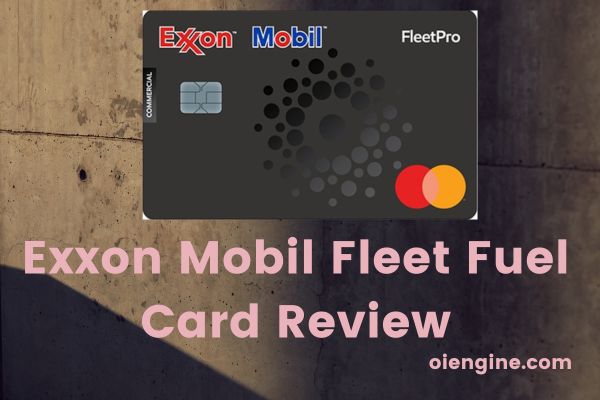
Managing fuel costs can make or break your fleet’s profitability. With diesel prices fluctuating and gas expenses eating into margins, finding the right fleet fuel card is crucial. Exxon Mobil offers two compelling options that promise to save businesses up to $0.06 per gallon.
The BusinessPro and FleetPro cards, backed by WEX Bank, provide access to over 12,000 Exxon and Mobil locations nationwide. But are these savings real, and do the benefits outweigh potential limitations? This comprehensive review breaks down everything you need to know.
We’ll analyze rebate structures, hidden fees, network coverage, and advanced features. You’ll discover which businesses benefit most, common pitfalls to avoid, and how these cards stack up against competitors. Let’s dive into the details that matter for your bottom line.
Table of Contents
- Quick Verdict: Is the Exxon Mobil Fleet Card Worth It?
- Exxon Mobil Fleet Fuel Card Options Explained
- How Much Can You Really Save? Rebate Structure Breakdown
- True Cost Analysis: Fees and Hidden Charges
- Network Coverage and Availability Deep Dive
- Advanced Features for Fleet Management
- Exxon Mobil vs. Competitor Fleet Cards
- Best Use Cases by Industry
- How to Maximize Your Exxon Mobil Fleet Card Savings?
- Common Problems and Solutions
- Implementation Guide: Getting Started
- Frequently Asked Questions
- Final Verdict: Who Should Choose Exxon Mobil Fleet Cards
- Conclusion
Quick Verdict: Is the Exxon Mobil Fleet Card Worth It?
Overall Rating: 4.2/5 Stars
The Exxon Mobil fleet fuel cards deliver solid value for specific business types. High-volume fleets operating primarily on the East Coast will see the best returns. The tiered rebate system rewards larger operations, making it ideal for companies purchasing 4,000+ gallons monthly.
Best For:
- East Coast-based fleets
- Businesses near Exxon/Mobil stations
- High-volume fuel purchasers (10,000+ gallons/month)
- Companies wanting simple fuel-only cards
Not Ideal For:
- Midwest operations (limited coverage)
- Small fleets under 1,000 gallons/month
- Businesses needing maintenance coverage
- Companies requiring immediate pump discounts
The lack of service options and regional gaps are notable drawbacks. However, the combination of competitive rebates, robust security features, and 24/7 support makes these cards worthwhile for the right fleet.
Exxon Mobil Fleet Fuel Card Options Explained
Exxon Mobil offers two distinct business fuel cards, each targeting different fleet needs. Understanding their core differences helps you choose the right solution for your operation. Both cards share WEX Bank’s reliable processing infrastructure but diverge in key areas.
BusinessPro Card – For Gas-Powered Fleets
The BusinessPro card caters to businesses running primarily gasoline-powered vehicles. It’s designed for companies of any size, from single-vehicle operations to large fleets. The straightforward rebate structure makes calculating savings simple.
Key features include tiered rebates up to 6¢ per gallon, acceptance at all Exxon and Mobil locations, and optional extended network coverage. The card integrates seamlessly with existing accounting systems through detailed reporting tools. Small businesses appreciate the no-fee structure for the basic version.
This gas card for business works best for local delivery services, sales teams, and service companies. The automatic fuel accounting eliminates receipt tracking headaches while providing real-time expense visibility.
FleetPro Card – For Mixed & Diesel Fleets
FleetPro targets operations running diesel trucks alongside gas vehicles. The Mastercard backing provides broader acceptance and additional payment flexibility. This card shines for transportation companies needing commercial fueling access.
The standout feature is customized diesel pricing based on volume commitments. Large fleets can negotiate significant discounts beyond the standard rebate tiers. Access to 800+ commercial fueling locations ensures drivers can refuel at truck-friendly stations.
Additional perks include consolidated invoicing for mixed purchases and cash advance options for drivers. The mobile app displays custom negotiated pricing at each location, helping drivers make cost-effective fueling decisions.
How Much Can You Really Save? Rebate Structure Breakdown
Understanding the actual savings potential requires diving deep into Exxon Mobil’s rebate system. These aren’t instant pump discounts – rebates appear as statement credits on your monthly bill. Let’s examine the real numbers behind the marketing claims.
BusinessPro Tiered Rebate System
The BusinessPro card uses a transparent tiered structure based on monthly gallon purchases. Here’s the complete breakdown:
| Monthly Gallons | Rebate Per Gallon | Monthly Savings at $3.50/gal |
| 1-499 | $0.01 | $5-$4.99 |
| 500-3,999 | $0.03 | $15-$119.97 |
| 4,000-6,999 | $0.04 | $160-$279.96 |
| 7,000-9,999 | $0.05 | $350-$499.95 |
| 10,000+ | $0.06 | $600+ |
Real-world example: A plumbing company with 10 service vans averaging 150 gallons each monthly (1,500 total) earns $0.03 per gallon. At current prices, that’s $45 monthly or $540 annually in fuel savings.
FleetPro Custom Pricing Explained
FleetPro operates differently, offering negotiated rates based on your fleet’s specific profile. Factors influencing your custom pricing include total monthly volume, diesel-to-gas ratio, and contract length commitment.
The negotiation process typically starts with a fleet analysis where Exxon Mobil reviews your fuel usage patterns. Larger fleets consuming 50,000+ gallons monthly often secure discounts exceeding the standard 6¢ cap. Some enterprise accounts report savings up to 10¢ per gallon.
Mid-sized trucking companies benefit most from this flexibility. A regional carrier running 25 trucks might negotiate 8¢ off diesel, translating to $2,000+ monthly fuel savings.
New Customer Bonus: 10¢ Per Gallon Savings
First-time customers enjoy enhanced rebates for the initial six months. This promotional rate applies to both BusinessPro and FleetPro cards, effectively doubling standard savings. The bonus automatically applies to all qualifying gallons purchased at Exxon and Mobil stations.
Eligibility requires opening a new account with no previous Exxon Mobil fleet card history. The enhanced rebate period begins with your first purchase and continues for exactly 180 days. Smart fleet managers time their enrollment to maximize this benefit during high-usage months.
True Cost Analysis: Fees and Hidden Charges
While Exxon Mobil promotes “no fees” for basic cards, the complete cost picture involves several considerations. Understanding these nuances prevents budget surprises and helps calculate true ROI. Let’s examine both obvious and hidden costs.
Free vs. Extended Network Options
The private label option truly carries no fees – no setup costs, no monthly charges, no transaction fees. However, this limits you to Exxon and Mobil stations only. For many East Coast fleets, this restriction poses no problem.
The extended network option opens access to 95% of U.S. gas stations but adds costs:
- One-time setup fee: $40
- Monthly per-card fee: $2
- Annual cost for 10 cards: $240
Important note: Extended network rebates only apply at Exxon/Mobil locations. Other stations charge standard pump prices without discounts. This makes the extended option valuable primarily as emergency backup coverage.
Hidden Costs Most Reviews Miss
Several less-obvious factors impact your bottom line:
Delayed Rebate Credits: Savings appear on statements 30-60 days after purchase. This delay affects cash flow for smaller operations. Unlike instant fleet discounts, you’re essentially floating Exxon Mobil a short-term loan.
Geographic Limitations: Sparse Midwest coverage forces detours to find stations. Extra mileage costs can offset fuel savings in states like Montana, Wyoming, and the Dakotas.
No Maintenance Options: Unlike comprehensive fleet cards, these cover fuel only. Drivers need separate payment methods for repairs, tires, or emergency services. This complicates expense tracking and reimbursement processes.
Credit Requirements: While not a fee, strict approval standards exclude some small businesses. Personal guarantees are often required for newer companies or those with limited credit history.
Network Coverage and Availability Deep Dive
Location access makes or breaks a fleet fuel card’s value. Exxon Mobil’s 12,000+ stations sound impressive, but distribution matters more than total count. Understanding coverage patterns helps set realistic expectations.
Where You Can Fuel: 12,000+ Locations?
Exxon and Mobil stations cluster heavily along the Eastern seaboard and Gulf Coast regions. Major metropolitan areas typically offer multiple options within reasonable distances. The network includes both highway and urban locations.
Strongest Coverage States:
- Texas: 2,000+ locations
- Florida: 1,100+ locations
- New York: 900+ locations
- California: 800+ locations
- Virginia: 700+ locations
The station locator app provides real-time availability and current prices. Drivers can filter results by amenities like diesel pumps, 24-hour access, or truck-friendly layouts. Integration with major GPS systems helps optimize routing.
The Midwest Gap Problem
Several states have minimal or zero Exxon Mobil presence, creating dead zones for fleet operations. This geographic limitation significantly impacts cross-country trucking companies and businesses with multi-state territories.
States with Limited Coverage:
- Montana: <10 stations statewide
- Wyoming: <5 stations
- North Dakota: <20 stations
- Idaho: Zero stations
- Iowa: <30 stations
Workaround strategies include concentrating purchases in covered areas to maintain tier status. Some fleets pair Exxon Mobil cards with universal options for gap coverage. The extended network option provides backup but without rebate benefits.
Commercial Fueling Stations (FleetPro)
The FleetPro network includes 800+ dedicated commercial locations with high-flow diesel pumps. These truck stops accommodate large vehicles and offer faster fueling for time-sensitive operations. Most feature CAT scales, parking, and driver amenities.
Commercial stations concentrate along major freight corridors like I-95, I-10, and I-40. Integration with the CAT Scale mobile app allows weigh payments through the FleetPro card. This convenience saves time during mandatory weight checks.
Advanced Features for Fleet Management
Modern fleet cards deliver more than payment processing. Exxon Mobil’s management tools help control costs, prevent fraud, and streamline operations. These features particularly benefit growing businesses transitioning from credit cards to dedicated fleet solutions.
Real-Time Tracking and Reporting
The online dashboard provides immediate visibility into all fleet transactions. Managers can monitor purchases as they happen, spotting unusual activity before month-end reports. The system captures detailed data including location, time, gallons, and price per gallon.
Custom reporting tools let you analyze spending patterns by:
- Individual driver performance
- Vehicle fuel efficiency
- Location-based pricing trends
- Time-of-day purchase patterns
Automated exception reports flag suspicious transactions like after-hours purchases or volumes exceeding tank capacity. Data exports integrate with popular accounting software, eliminating manual entry. Real-time alerts notify managers of policy violations instantly.
Security Controls and Driver Management
Robust security features protect against fuel theft and misuse. Each driver receives a unique PIN that must be entered at the pump. Managers can deactivate lost cards instantly through the mobile app or web portal.
Customizable purchase controls include:
- Daily/weekly/monthly spending limits
- Gallons per transaction caps
- Day and time restrictions
- Geographic boundaries
- Product type limitations (fuel only vs. fuel plus oil)
The system supports both driver-assigned and vehicle-assigned cards. Vehicle cards require odometer readings, helping track MPG and maintenance schedules. Unusual odometer entries trigger automatic fraud alerts.
Mobile App and Contactless Payments
The Exxon Mobil app modernizes the fueling experience while adding security layers. Drivers can pay directly from their phones using contactless technology at equipped pumps. This speeds transactions and reduces card skimming risks.
App features benefit both drivers and managers:
- Station locator with real-time prices
- Digital receipts automatically uploaded
- Rewards+ point tracking
- Transaction history access
- Card lock/unlock capability
Managers appreciate the immediate purchase notifications and ability to adjust controls remotely. The app’s integration with Exxon Mobil Rewards+ lets drivers earn personal points without compromising fleet accounting.
GPS Integration Options
Select GPS fleet tracking providers offer Exxon Mobil card integration. This powerful combination matches fuel purchases with vehicle locations automatically. Managers can verify drivers fueled at reported locations and times.
Integration benefits include:
- Automated mileage tracking for IFTA reporting
- Route optimization based on station locations
- Fuel efficiency analysis by route
- Exception reporting for off-route purchases
Compatible systems include Geotab, GPS Insight, and Samsara. Setup typically requires API configuration but provides valuable anti-fraud protection and operational insights.
Exxon Mobil vs. Competitor Fleet Cards
Choosing the right fleet fuel card requires honest comparisons. Each provider offers unique advantages depending on your specific needs. Let’s examine how Exxon Mobil stacks up against major competitors.
vs. Comdata Fleet Card
Comdata targets large trucking operations with premium features and pricing. Their $0.25 per gallon discount crushes Exxon Mobil’s 6¢ maximum. However, Comdata charges $50 setup plus $8 monthly per card.
Comdata Advantages:
- Superior per-gallon savings
- Comprehensive maintenance coverage
- More truck stop locations
- Advanced IFTA reporting tools
Exxon Mobil Advantages:
- No fees for basic cards
- Simpler approval process
- Better small business pricing
- Stronger East Coast coverage
For fleets under 20 vehicles, Exxon Mobil’s no-fee structure often delivers better net savings despite lower rebates.
vs. Edenred Essentials
Edenred (formerly WEX) offers broader acceptance and service options. Their Fuel & More plan covers maintenance, tolls, and parking – addressing Exxon Mobil’s biggest weakness. Rebates max out at 4¢ per gallon.
When to Choose Edenred:
- Multi-state operations needing universal acceptance
- Mixed fleet requiring maintenance coverage
- Companies valuing one-card convenience
When Exxon Mobil Wins:
- Focused fuel savings priority
- Strong regional station density
- Larger rebates for high-volume users
The 2¢ rebate difference equals $200 monthly for 10,000-gallon fleets. This often outweighs Edenred’s convenience features.
vs. Universal Fleet Cards
Universal cards like Fuelman and FleetCor work everywhere but offer minimal brand-specific savings. They excel at comprehensive reporting and spend controls across all purchases. Monthly fees typically run $2-5 per card.
Exxon Mobil makes sense when:
- Your routes align with station locations
- Fuel savings outweigh universal acceptance
- You prefer brand-specific quality standards
Universal cards win for:
- Nationwide operations
- Diverse supplier needs
- Complex reporting requirements
Many successful fleets combine both approaches, using Exxon Mobil for regular routes and universal cards for exceptions.
Best Use Cases by Industry
Different industries have unique fleet fuel card requirements. Understanding how Exxon Mobil’s offerings align with specific operational needs helps make informed decisions. Real-world examples illustrate optimal use cases.
Small Business Fleets (1-10 vehicles)
Local service businesses often find Exxon Mobil cards perfect for their needs. Plumbing companies, HVAC contractors, and delivery services benefit from simple pricing and no monthly fees. The basic BusinessPro card eliminates complex agreements.
ROI calculations for a 5-vehicle fleet:
- Average monthly fuel: 750 gallons
- Rebate earned: $0.03/gallon
- Monthly savings: $22.50
- Annual savings: $270
- Zero fees mean 100% savings retention
The straightforward setup process and immediate approval for established businesses make getting started easy. Integration with QuickBooks simplifies bookkeeping for companies without dedicated fleet managers.
Medium Fleets (11-50 vehicles)
Regional operations hit the sweet spot for maximizing Exxon Mobil rebates. Construction companies, food distributors, and medical transport services often reach 4,000+ gallon tiers. This segment benefits most from tier optimization strategies.
A 30-vehicle fleet consuming 6,000 gallons monthly saves $240 at the 4¢ tier. Strategic purchasing pushes them over 7,000 gallons, unlocking 5¢ rebates worth $350 monthly. That extra penny equals $1,320 annually.
These businesses should negotiate FleetPro custom pricing if running any diesel vehicles. The combination of set gas rebates and negotiated diesel rates often beats universal card offerings.
Large Enterprise Fleets (50+ vehicles)
Major corporations leverage volume for maximum savings. Utility companies, telecommunications firms, and government contractors routinely exceed 10,000 gallons monthly. At this scale, even small rebate improvements significantly impact budgets.
Negotiation leverage points include:
- Multi-year contract commitments
- Exclusive brand loyalty agreements
- Consolidated billing across divisions
- Guaranteed minimum volumes
Enterprise accounts often secure 8-10¢ per gallon through custom FleetPro agreements. A 100-vehicle fleet burning 20,000 gallons monthly at 8¢ off saves $19,200 annually versus standard rates.
Owner-Operators and Contractors
Independent truckers and contractors face unique challenges. While lacking volume leverage, they benefit from FleetPro’s commercial station access and Mastercard acceptance. The cash advance feature helps manage road expenses.
Smart strategies for smaller operators:
- Partner with other independents to aggregate volume
- Focus purchases during high-mileage months
- Use new customer bonuses strategically
- Combine with Rewards+ for personal benefits
The no-contract flexibility lets owner-operators test the program without long-term commitments. Many start with BusinessPro for gas purchases before upgrading to FleetPro.
How to Maximize Your Exxon Mobil Fleet Card Savings?
Strategic usage separates average savings from exceptional returns. These proven tactics help fleet managers extract maximum value from their Exxon Mobil cards. Implementation requires planning but delivers measurable results.
Optimize Tier Thresholds: Track monthly gallons carefully near tier boundaries. Scheduling fill-ups strategically can push you into higher rebate levels. A fleet at 3,800 gallons should top off all vehicles before month-end to reach the 4,000-gallon tier.
Leverage Geographic Concentration: Route planning around Exxon Mobil stations maximizes rebate gallons. Use the station locator to identify clusters along regular routes. Some fleets adjust territories to align with station density.
Stack Rewards Programs: Enroll drivers in Exxon Mobil Rewards+ for additional savings. Personal points don’t affect fleet rebates, creating double benefits. Drivers earning 3 points per gallon on 100 gallons monthly get $3 in personal rewards.
Time New Account Enrollment: Start your account during historically high-usage months to maximize the 10¢ new customer bonus. Many fleets begin in March to capture spring and summer driving seasons.
Negotiate Annual Reviews: FleetPro customers should request pricing reviews annually. Growing fleets often qualify for better rates as volume increases. Document competitor offers to strengthen negotiation positions.
Common Problems and Solutions
Even well-managed fleet card programs encounter issues. Knowing common problems and their solutions minimizes downtime and frustration. These troubleshooting tips address the most frequent customer concerns.
Card Declined at Non-Exxon Stations
This typically occurs with private label cards mistakenly used outside the network. Ensure drivers understand the difference between basic and extended network cards. Post approved station lists in vehicles as reminders.
Solution: Keep one extended network card per region for emergencies. Train drivers to check the app before fueling at unfamiliar locations.
Rebates Not Appearing on Statement
Rebate delays cause confusion and cash flow concerns. Standard processing takes 30-60 days from purchase date. Purchases near month-end might appear on the following statement.
Solution: Implement accounting procedures that anticipate rebate timing. Track expected versus received rebates monthly. Contact support if discrepancies exceed 60 days.
Driver PIN Issues
Forgotten PINs strand drivers and delay deliveries. Multiple incorrect attempts can lock cards for security. This frustrates drivers and disrupts operations.
Solution: Maintain secure PIN records accessible to managers 24/7. Use memorable but secure number combinations. Enable quick PIN resets through the mobile app.
Mobile App Troubleshooting
Connectivity issues at remote stations sometimes prevent mobile payments. App updates occasionally introduce bugs affecting functionality. Drivers need backup payment methods.
Solution: Keep physical cards as primary payment with apps as convenient alternatives. Enable automatic app updates. Report persistent issues for priority resolution.
Implementation Guide: Getting Started
Successfully launching your Exxon Mobil fleet fuel card program requires proper planning and execution. This step-by-step guide ensures smooth implementation and rapid adoption. Most businesses complete setup within 7-10 business days.
Application Process Step-by-Step
The online application takes approximately 15 minutes for prepared businesses. Gather required information beforehand to streamline the process. Applications submitted before 2 PM EST typically receive same-day initial reviews.
Required Information:
- Business legal name and tax ID
- Physical address (no P.O. boxes)
- Years in business
- Estimated monthly fuel gallons
- Number of vehicles and drivers
- Banking information for payment
The system performs instant initial qualification checks. Approved applicants receive welcome emails with account numbers immediately. Physical cards arrive within 5-7 business days via FedEx.
Approval Requirements
Exxon Mobil maintains moderate approval standards compared to premium fleet cards. Most established businesses with two+ years operating history qualify easily. Newer companies might need additional documentation.
Typical Approval Criteria:
- Business operating 2+ years
- Valid tax ID number
- Positive payment history
- Monthly fuel usage over 100 gallons
Businesses with challenged credit might require security deposits or personal guarantees. Deposits typically equal two months’ estimated fuel purchases and are refundable after 12 months of positive payment history.
Timeline Expectations
Understanding the implementation timeline helps set realistic expectations:
- Day 1: Submit application
- Day 1-2: Initial approval decision
- Day 3-7: Physical cards arrive
- Day 8-10: Account setup and training
- Day 11: First purchases begin
Large fleets should allow extra time for driver training and PIN distribution. Consider phased rollouts for 50+ card implementations.
Setting Up Your Account
Initial account configuration determines long-term success. Invest time in proper setup to avoid future headaches. The online portal walks through each configuration step with helpful tutorials.
Critical Setup Tasks:
- Assign cards to drivers or vehicles
- Set individual spending limits
- Configure purchase restrictions
- Enable real-time alerts
- Connect accounting software
- Train drivers on PIN usage
Schedule a consultation with your account manager during the first week. They’ll review best practices and help optimize settings for your specific needs.
Frequently Asked Questions
Can I Use Exxon Mobil Fleet Cards for Vehicle Maintenance?
No, both BusinessPro and FleetPro cards only work for fuel purchases at gas stations. They don’t cover maintenance, repairs, or other vehicle services. Drivers need alternative payment methods for non-fuel expenses.
This limitation frustrates some fleet managers accustomed to comprehensive cards. Consider pairing with a maintenance-specific card or establishing shop accounts for service needs.
How Long Does It Take to Receive Rebates?
Rebates typically appear on statements 30-60 days after purchases. The credit applies automatically without requiring claims or submissions. Purchases late in the billing cycle might roll to the following month’s statement.
Track expected rebates monthly to ensure proper crediting. Contact customer service if rebates don’t appear within 60 days of purchase.
What Happens If I Don’t Meet the Minimum Gallon Requirements?
You still receive rebates at whatever tier you achieve – there’s no penalty for low usage. Fleets purchasing just 50 gallons monthly earn 1¢ per gallon. The tiered system rewards growth but doesn’t punish small users.
This makes Exxon Mobil cards risk-free for testing. Start with a few cards and expand as you verify savings.
Can I Get Both BusinessPro and FleetPro Cards?
Yes, many mixed fleets use both card types strategically. Assign BusinessPro to gas-only vehicles and FleetPro to diesel trucks. This maximizes benefits while maintaining simple administration.
Both cards share the same online account portal. Consolidated reporting combines all purchases for easy analysis.
Is There a Minimum Fleet Size Requirement?
No minimum fleet size exists – even single-vehicle businesses qualify. The no-fee structure makes the cards viable for any size operation. Owner-operators appreciate the same rebates as large fleets.
This inclusivity differentiates Exxon Mobil from competitors requiring minimum volume commitments.
Final Verdict: Who Should Choose Exxon Mobil Fleet Cards
Exxon Mobil fleet fuel cards excel in specific scenarios while falling short in others. Understanding your fleet’s unique needs determines whether these cards deserve a spot in your wallet. Let’s synthesize everything into actionable guidance.
Ideal Candidates:
- East Coast fleets with predictable routes
- High-volume purchasers (4,000+ gallons/month)
- Businesses prioritizing fuel savings over service coverage
- Companies with strong Exxon/Mobil station density
- Fleets seeking simple, no-fee solutions
Poor Fit For:
- Midwest/Mountain state operations
- Low-volume users under 500 gallons
- Fleets needing comprehensive maintenance coverage
- Businesses requiring immediate pump discounts
- Companies with poor credit history
The ROI calculator shows break-even at approximately 300 gallons monthly when comparing to no-discount credit cards. Higher volumes amplify savings exponentially. A 10,000-gallon fleet saves $7,200 annually at maximum rebate tiers.
Ready to evaluate Exxon Mobil fleet cards for your business? Compare your current fuel costs against potential savings using their online calculator. Contact their fleet specialists at 1-800-627-3427 for custom pricing discussions.
Conclusion
The Exxon Mobil fleet fuel card program offers legitimate savings for the right businesses. With rebates up to 6¢ per gallon and no fees on basic cards, many fleets achieve significant cost reductions. The 12,000+ station network provides solid East Coast coverage.
Success depends on aligning your operations with the program’s strengths. High-volume fleets operating in Exxon-dense regions see the best returns. The lack of maintenance coverage and Midwest gaps limit universal appeal.
Smart fleet managers often combine Exxon Mobil cards with complementary solutions. Use these cards for regular routes while maintaining universal options for exceptions. This hybrid approach maximizes savings while ensuring operational flexibility.
Take action today by analyzing your fleet’s fueling patterns and station accessibility. Calculate potential savings based on your monthly gallons and route geography. For qualifying fleets, Exxon Mobil cards deliver measurable value that directly impacts your bottom line.